I was diagnosed with ADHD as an adult but clearly had it all my life. I also am a mother of two children, one of whom has ADHD and a slew of other challenges that I think are related to it and stem from it (including anxiety and depression). This week has been especially challenging with symptomatic behavior and interacting with the “normal” world in that context. I read this and nearly started crying. A lot of the agencies and services are different in my country but the rest of it rings so many bells it’s deafening. Thank you for posting.
Sympathy, Iris. I was diagnosed with autism spectrum disorder as a young adult but through my working life, it’s become gradually clear to me that I have distracted-variant ADHD, possibly as well. (The two can interact and make the picture more confusing). I struggle with concentration and executive function and it’s taken years to work out why. I’ve been on a waiting list for assessment for all of 2021.
I’m pretty sure my son is also autistic, and my daughter… well, I think she has ADHD traits, but it’s hard to get anyone else to see it. I’m hoping that if I can get a diagnosis it’ll act as a lever to get my ideas about her taken more seriously.
As a parent I use my children as external accountability to get things done, but it is very hard and I often end up exhausted just from trying to railroad myself into doing tasks that would be ridiculously simple if I could just focus (without falling into hyperfocus and spending hours on them…) I can’t see a way onward without medical help.
I am about 99% sure that my father, uncle, me and some of my brothers all have ADHD
And we’re not diagnosed because father thinks it’s normal. Even when he is judged by other adults for fidgeting etc.
Even when I’m absolutely unable to finish basic tasks or take on the mental load, because I’ll just forget it. I’ve always been described as “too much”.
Even when my brother obviously can’t focus, needs special accommodations, is considered annoying by his peers and is very impulsive and emotional.
My stepmother is of no help in that regard, saying that he’s a “normal” (her) child. And I’m just weird.
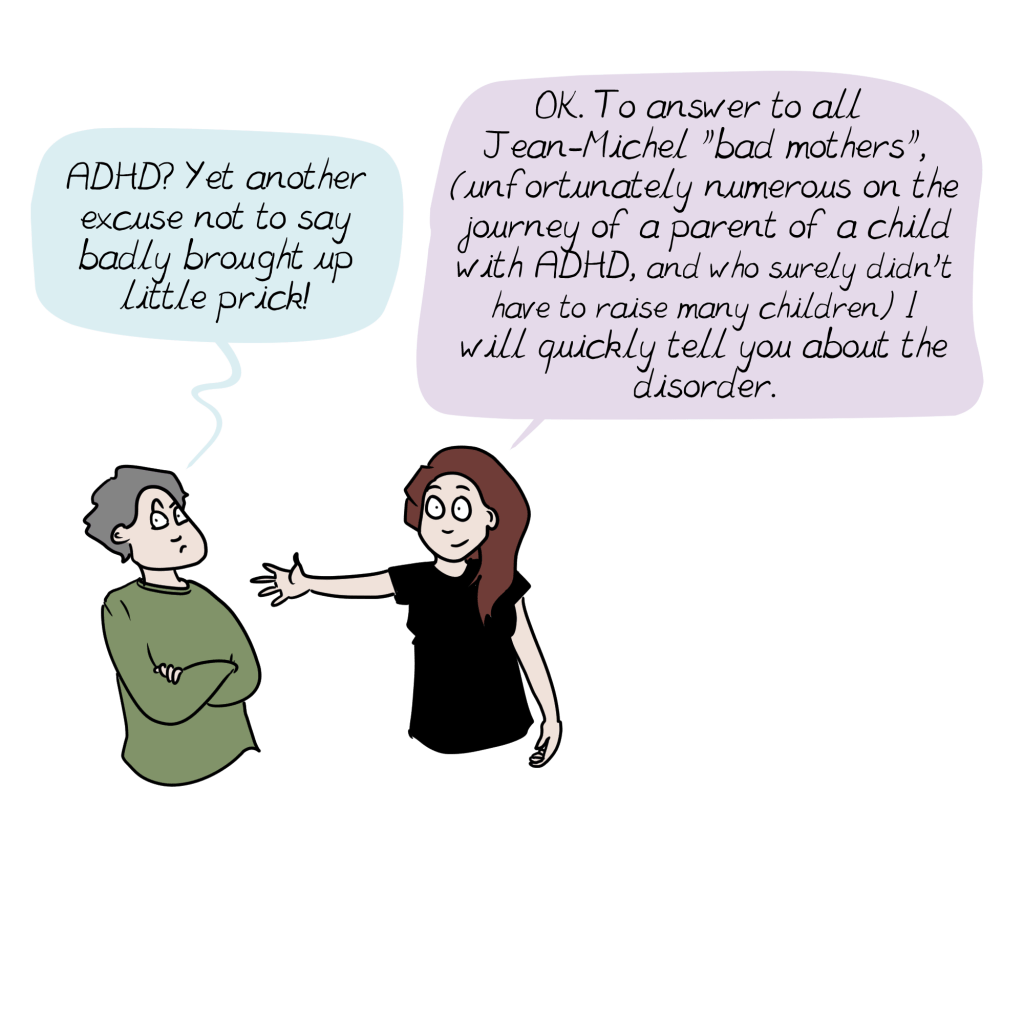
My father said “ADHD doesn’t exist”.
The funniest thing is, I’m an adult by law and I could get a diagnosis. I will probably get a diagnosis one day.
But first I have to get my finances in order and stop to impulse buy things. But first I have to remember to make an appointment after I got the money for it.
But first I have to convince a doctor to test me.
But first I have to do a lot of things
…which would be much easier and maybe we’re done if I was medicated or coped better.
…which reminds me I was supposed to find tips on how to manage ADHD
I’ve found the YouTube channel ‘How to ADHD’ very helpful.
I was diagnosed last year as a new mom who couldn’t get a feeding schedule right for my newborn. They considered taking my daughter away but I’m happy they decided to see why my executive functioning wasn’t that good instead.
Thank you so much for this comment – as someone with ADHD who didn’t get diagnosed until 14, it’s spot on. When you’re told your whole life that you’re lazy, stupid, annoying, etc for things you can’t control, you really do start to believe it. It’s been a little over two years since I was diagnosed and I still have to remind myself that I’m not just being “lazy”, I have an actual disability. It’s really interesting and helpful to see the parent’s perspective on it.
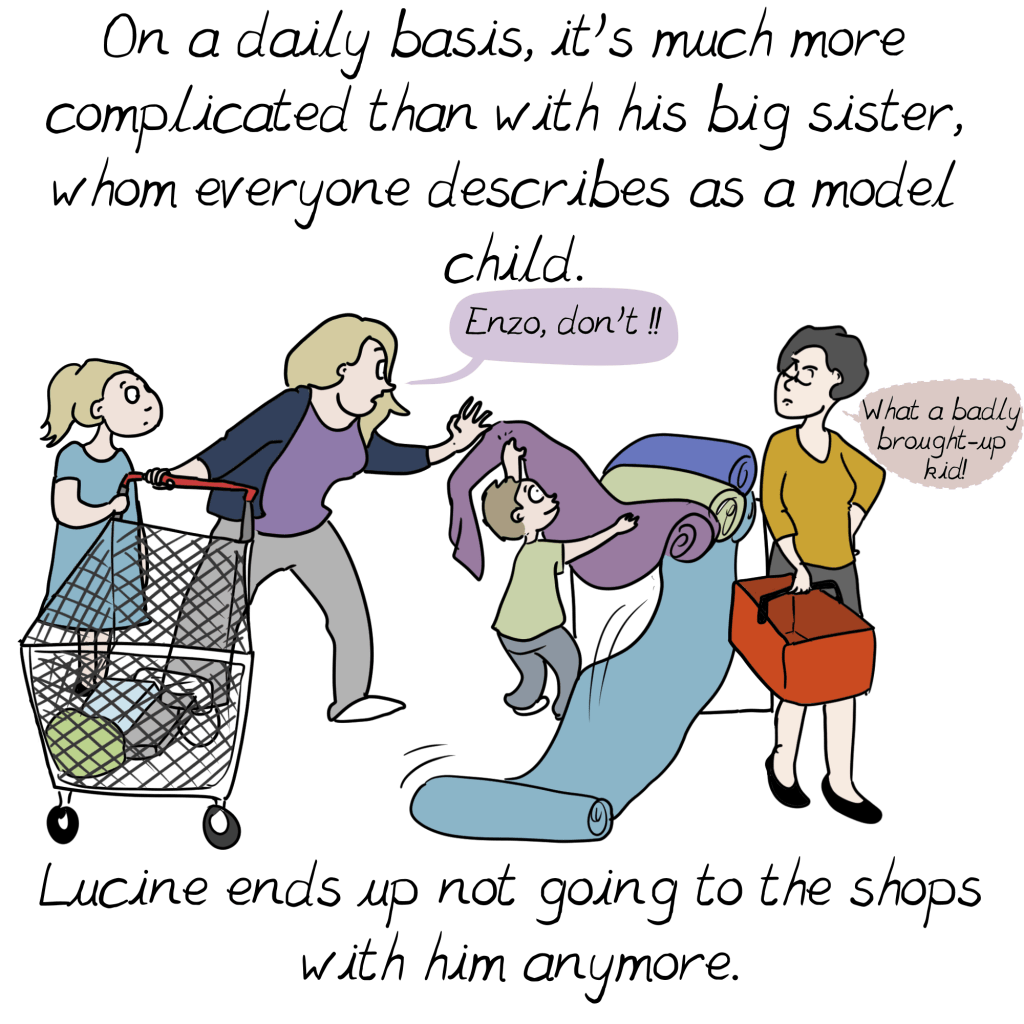
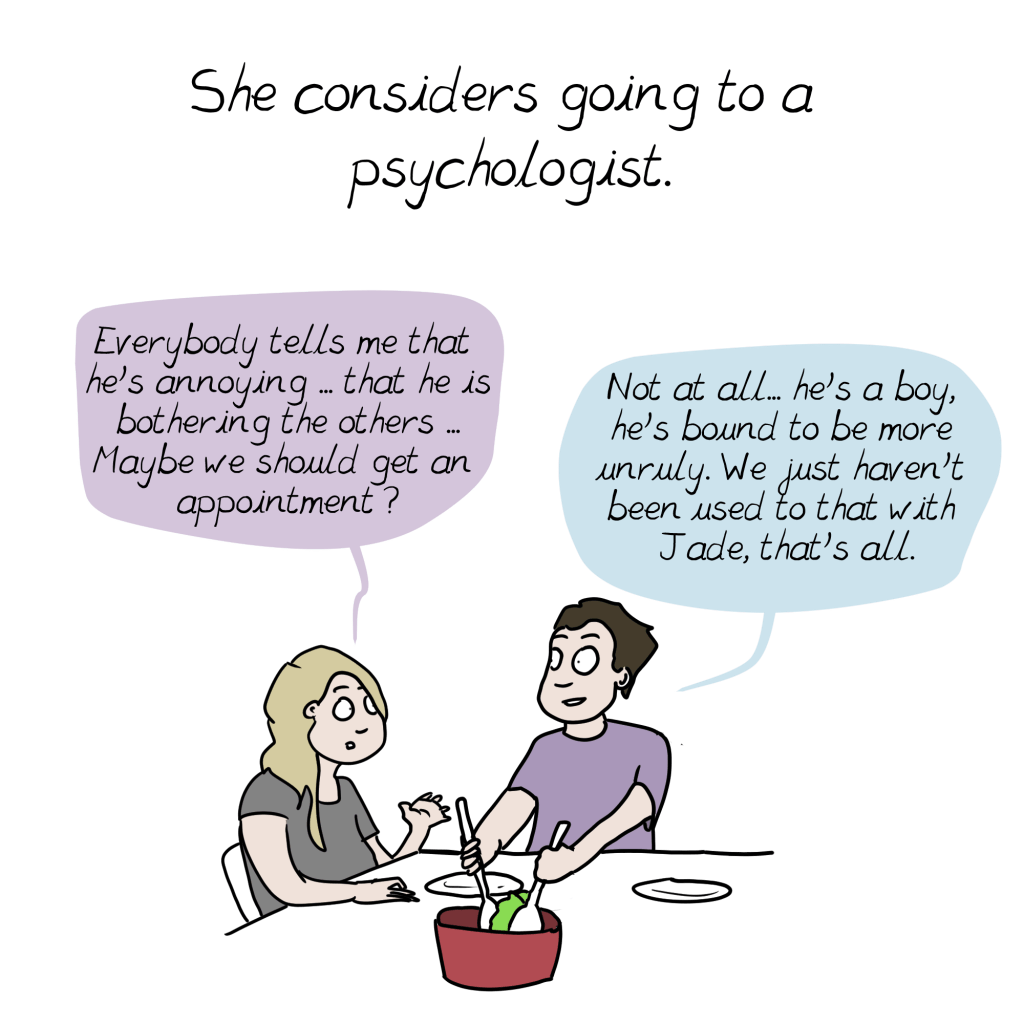
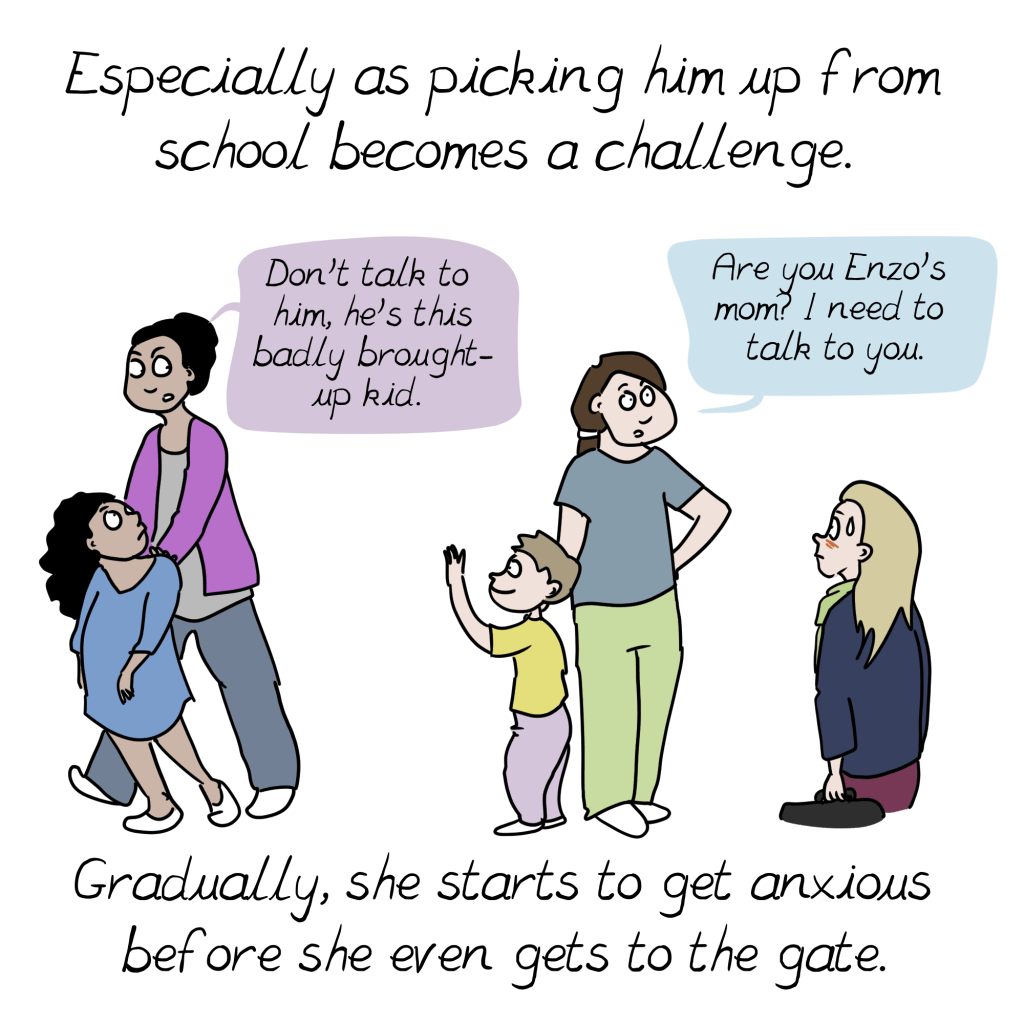
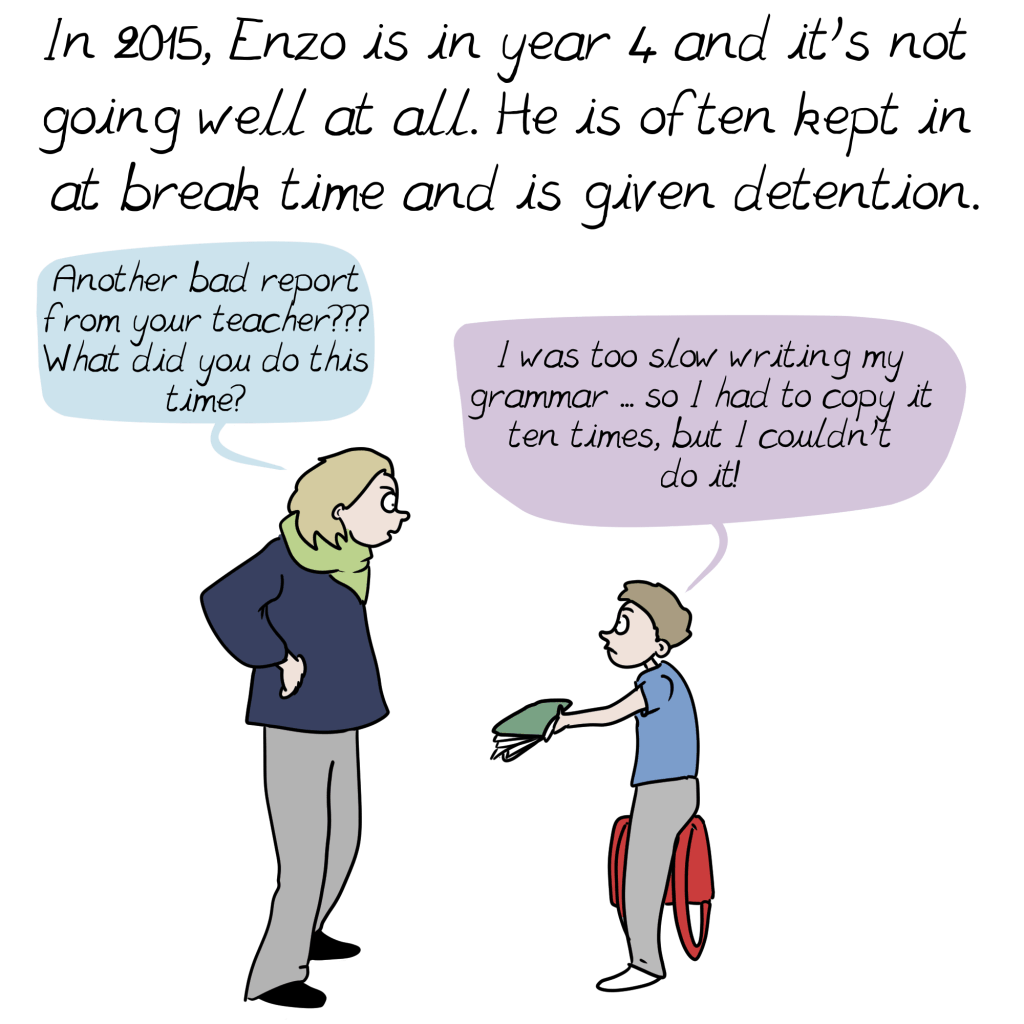
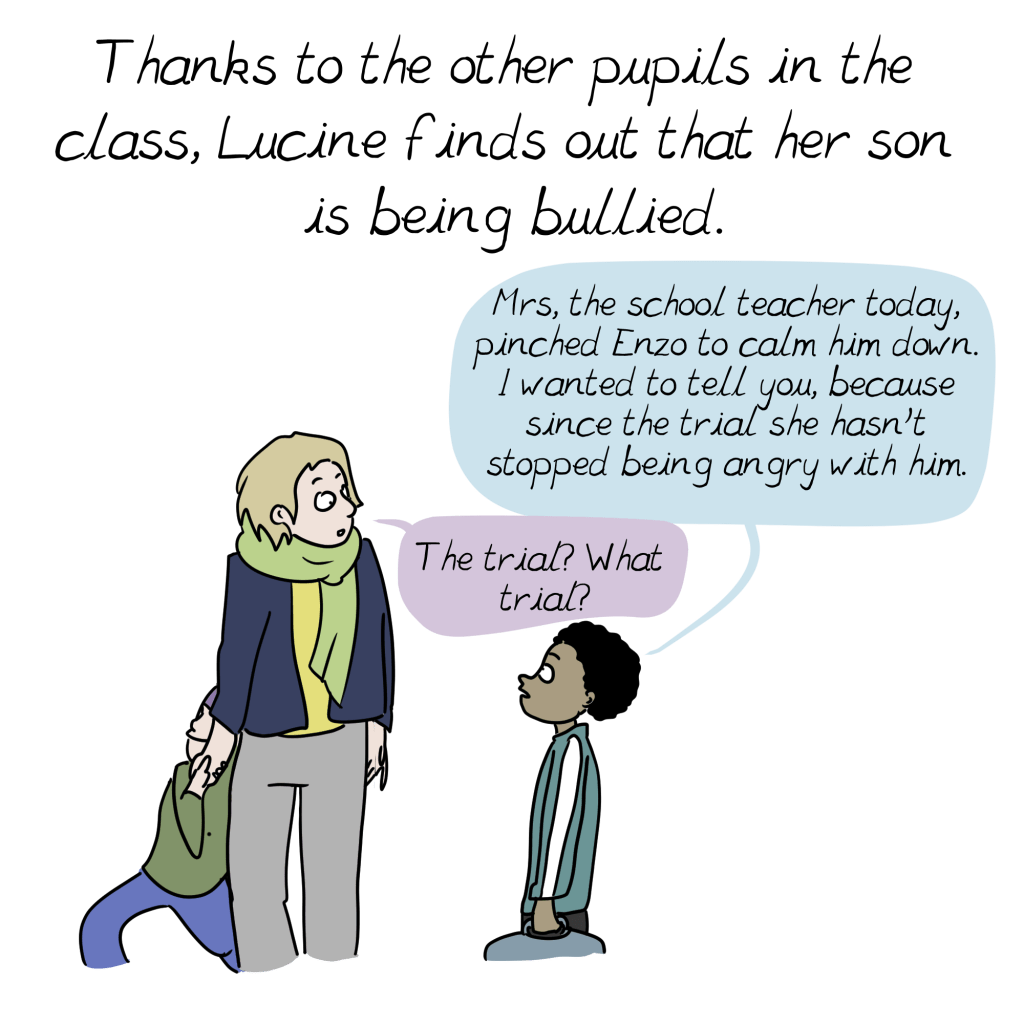
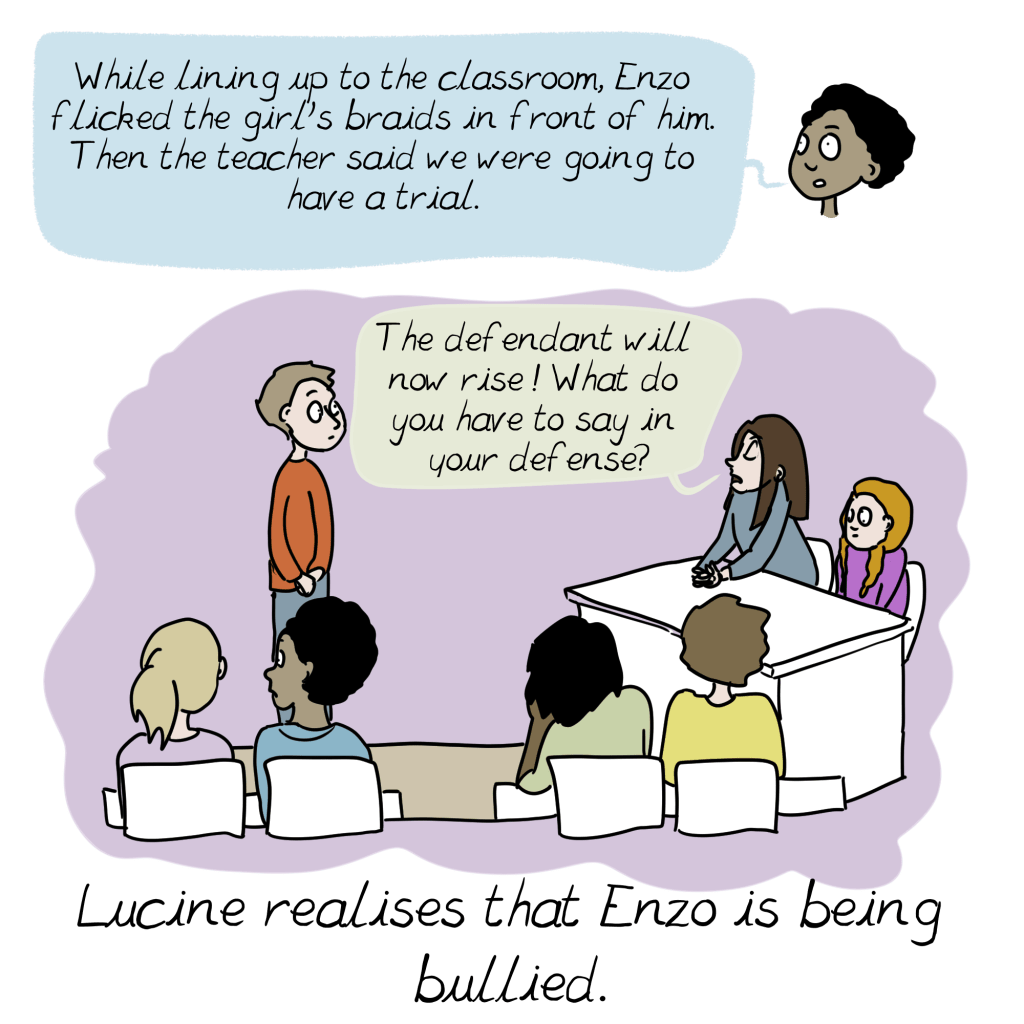
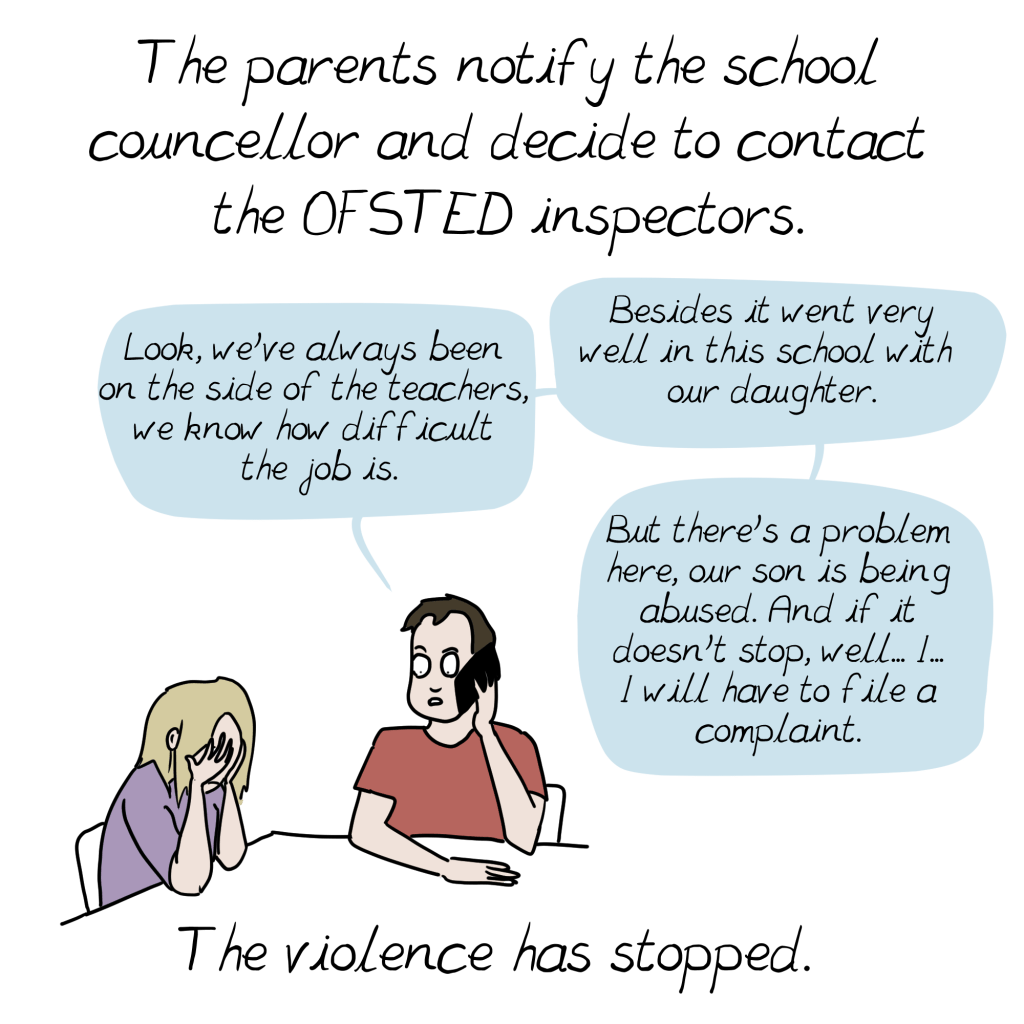
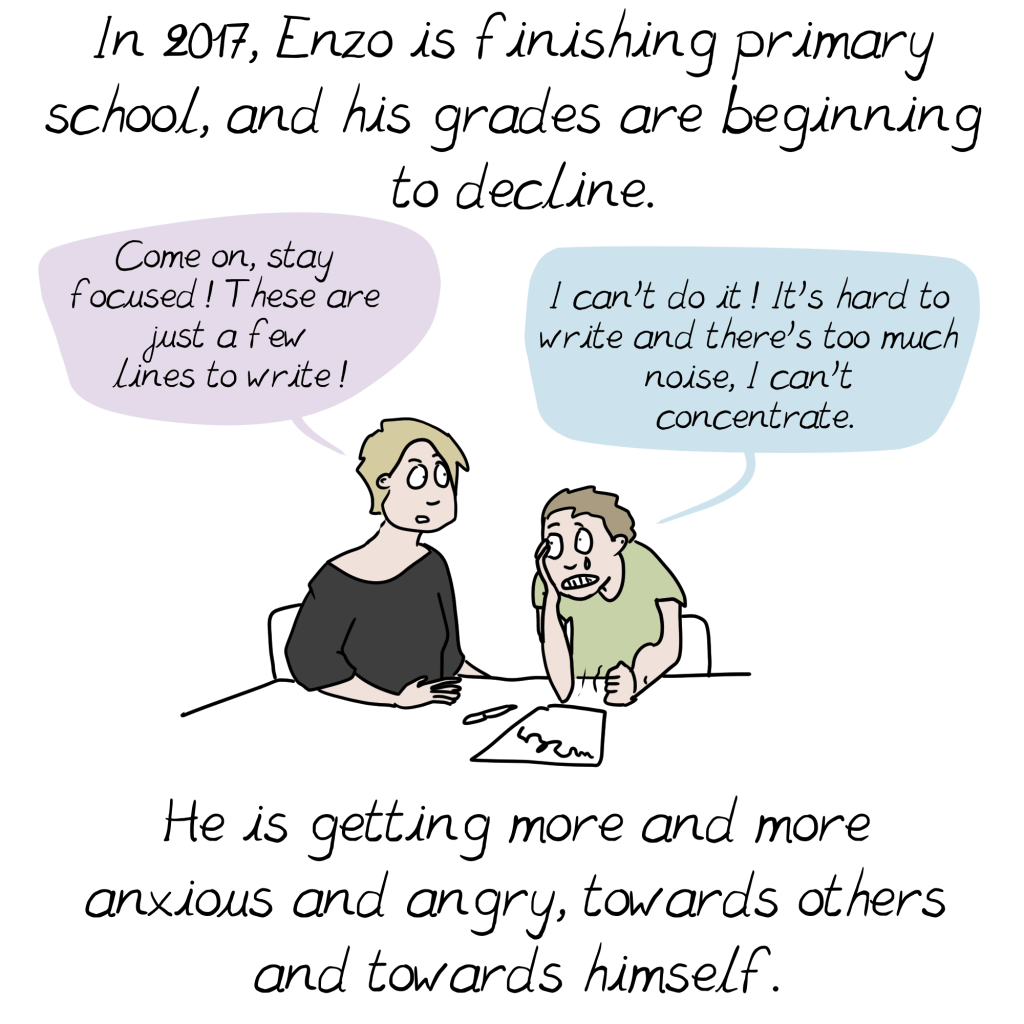
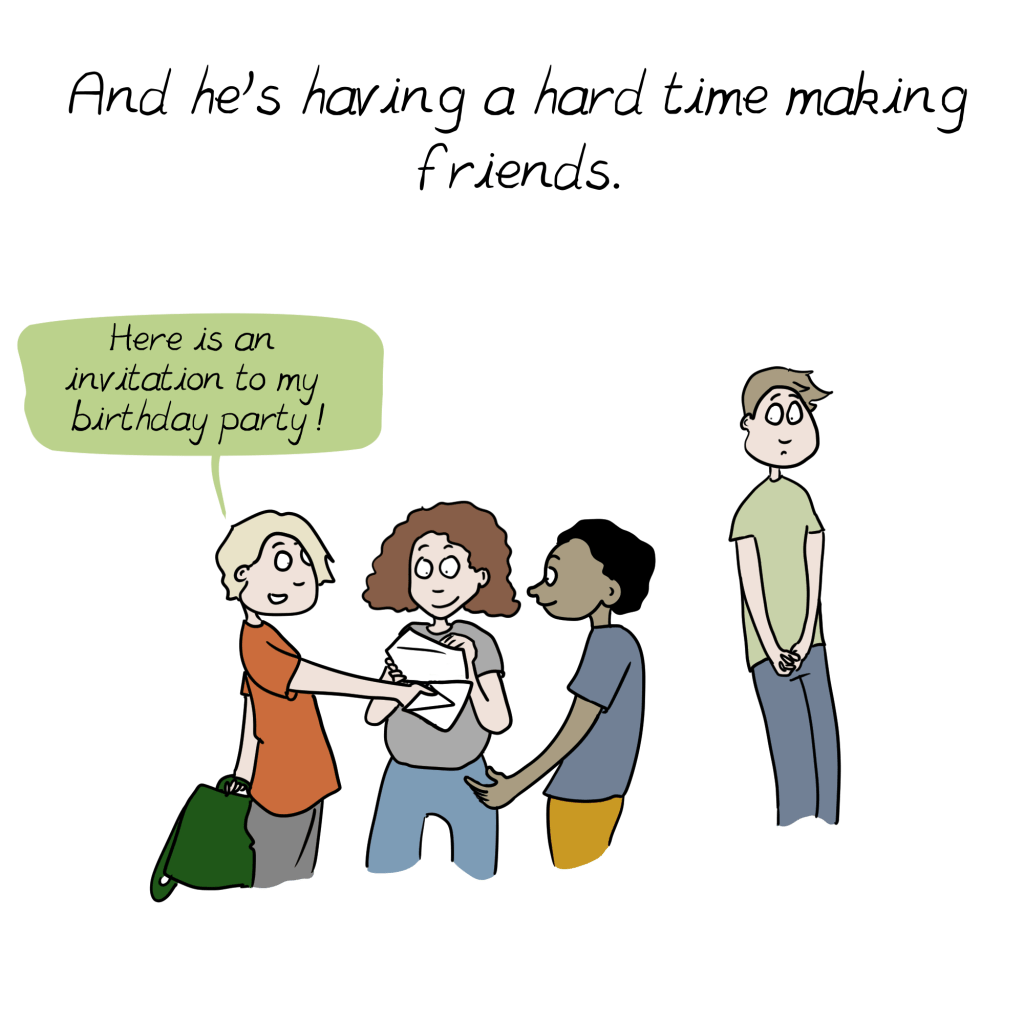
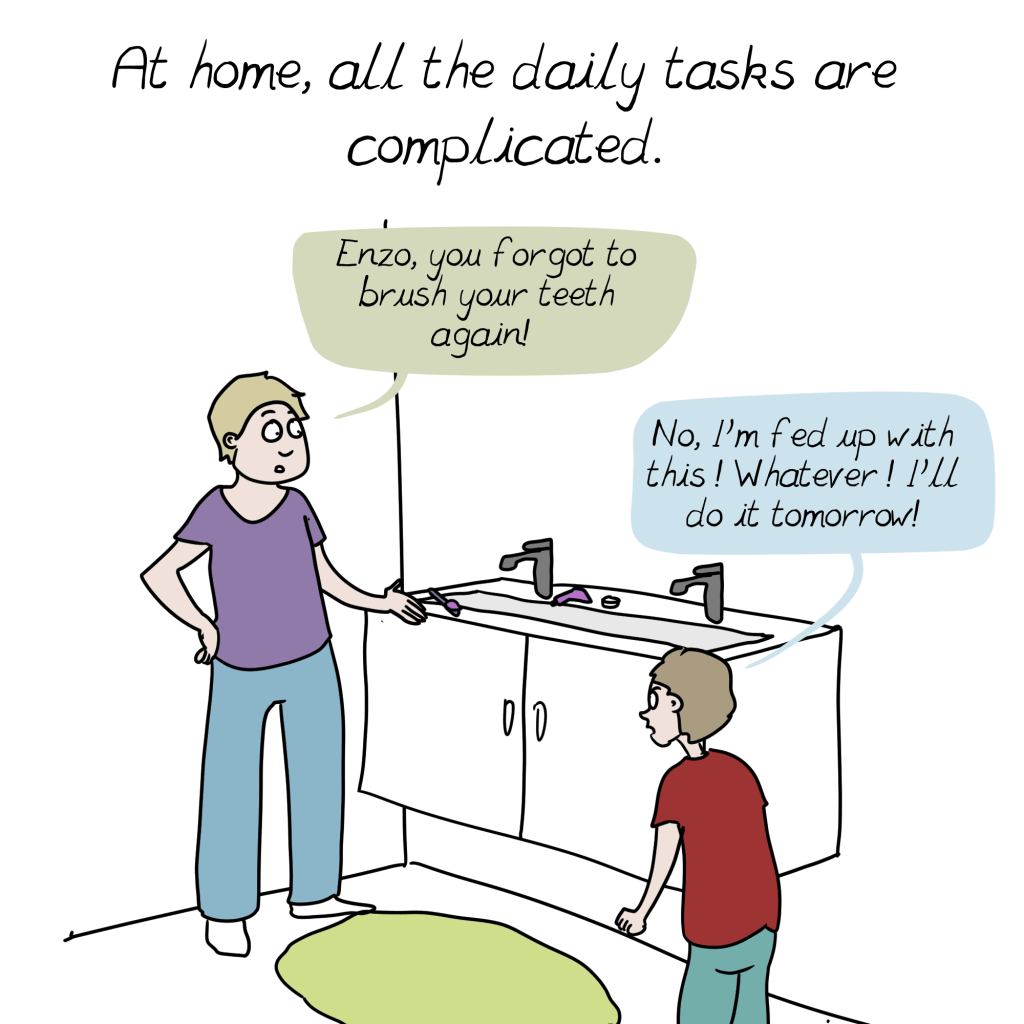
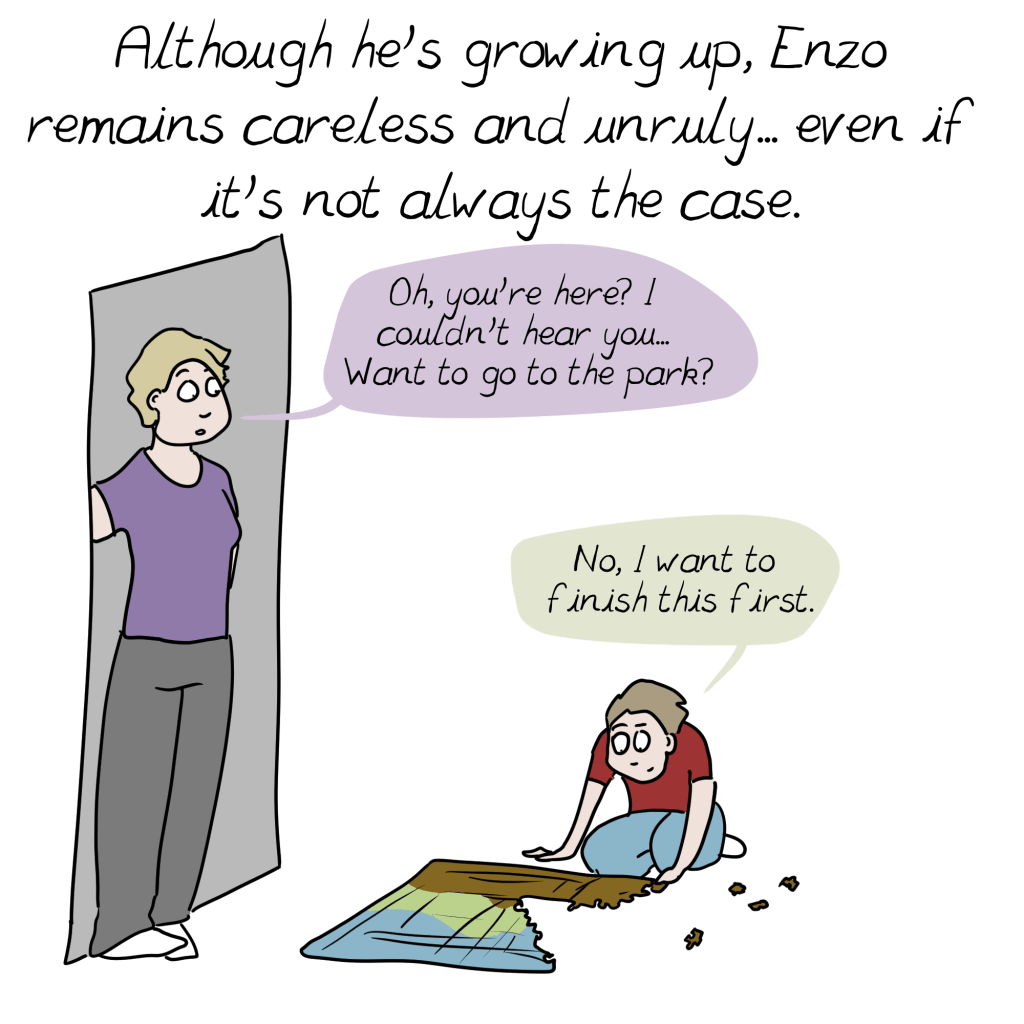
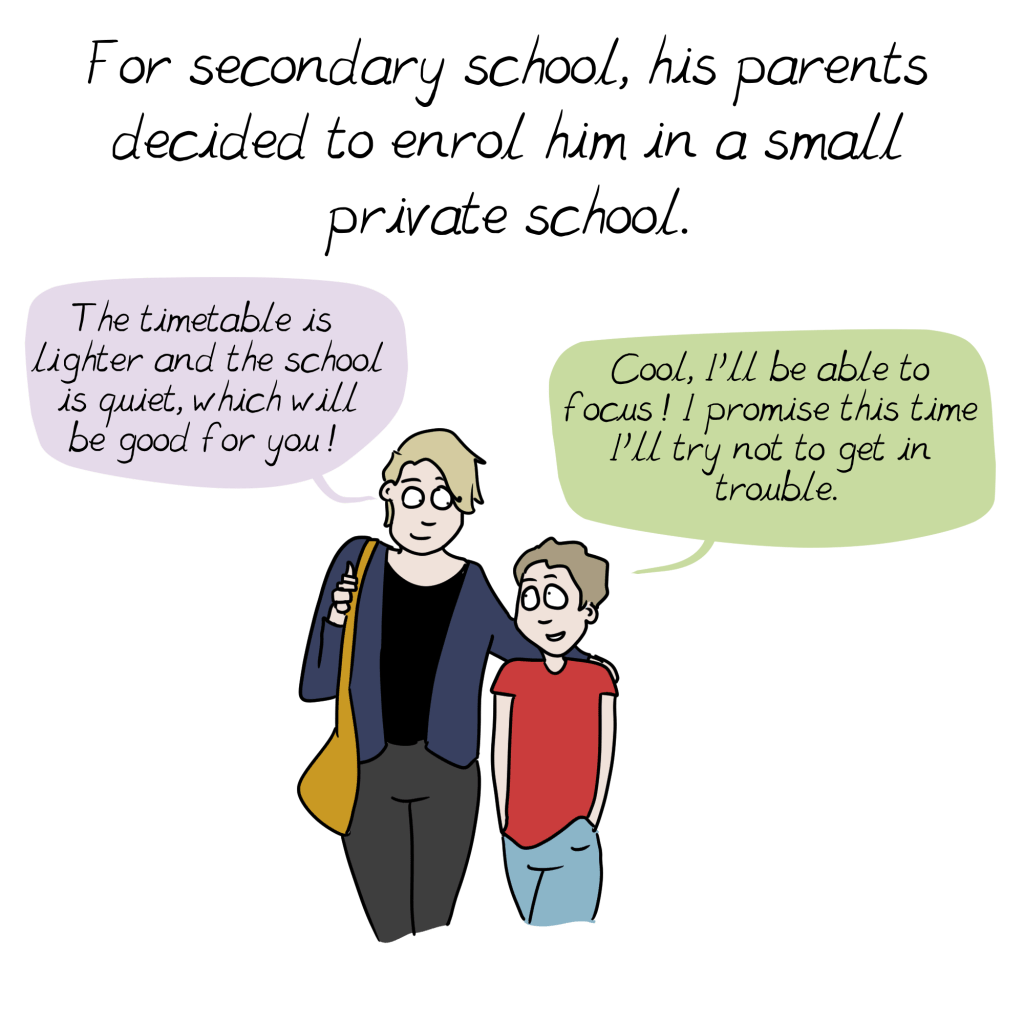
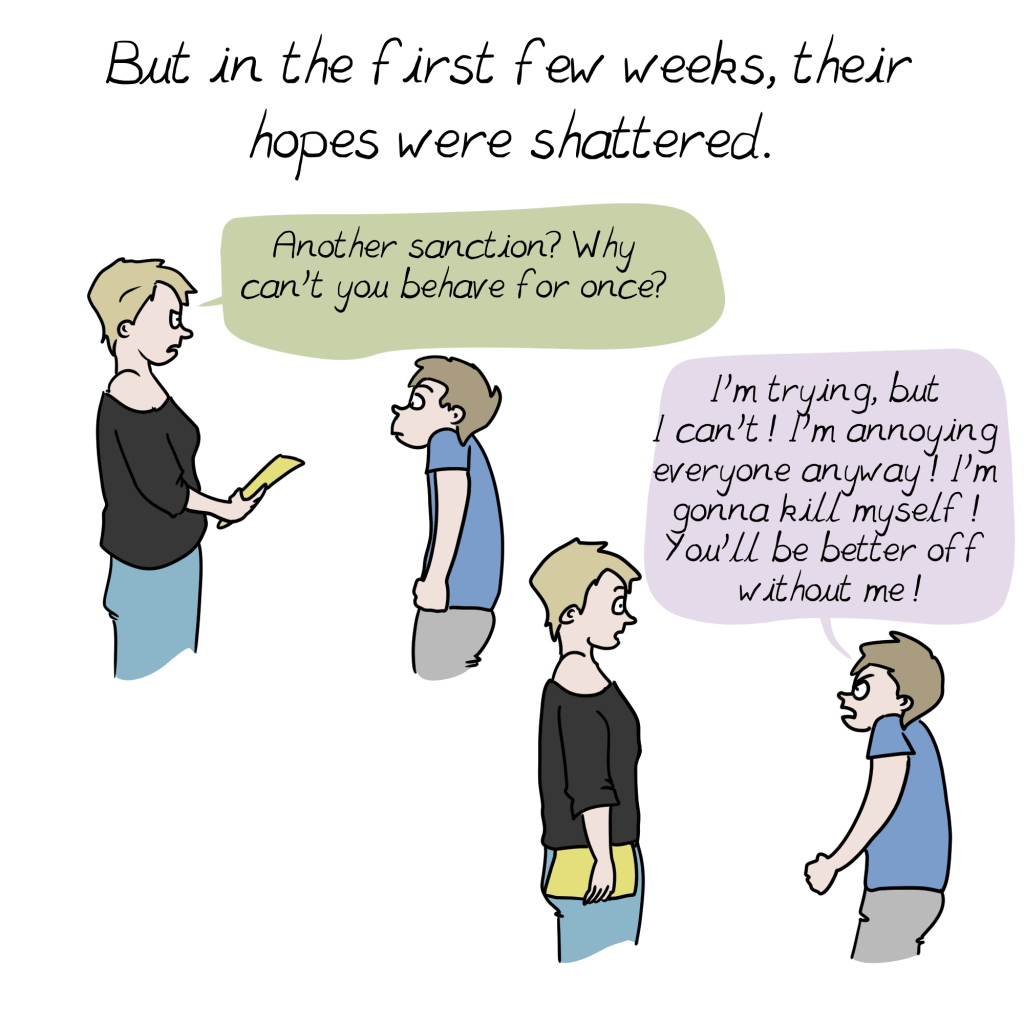
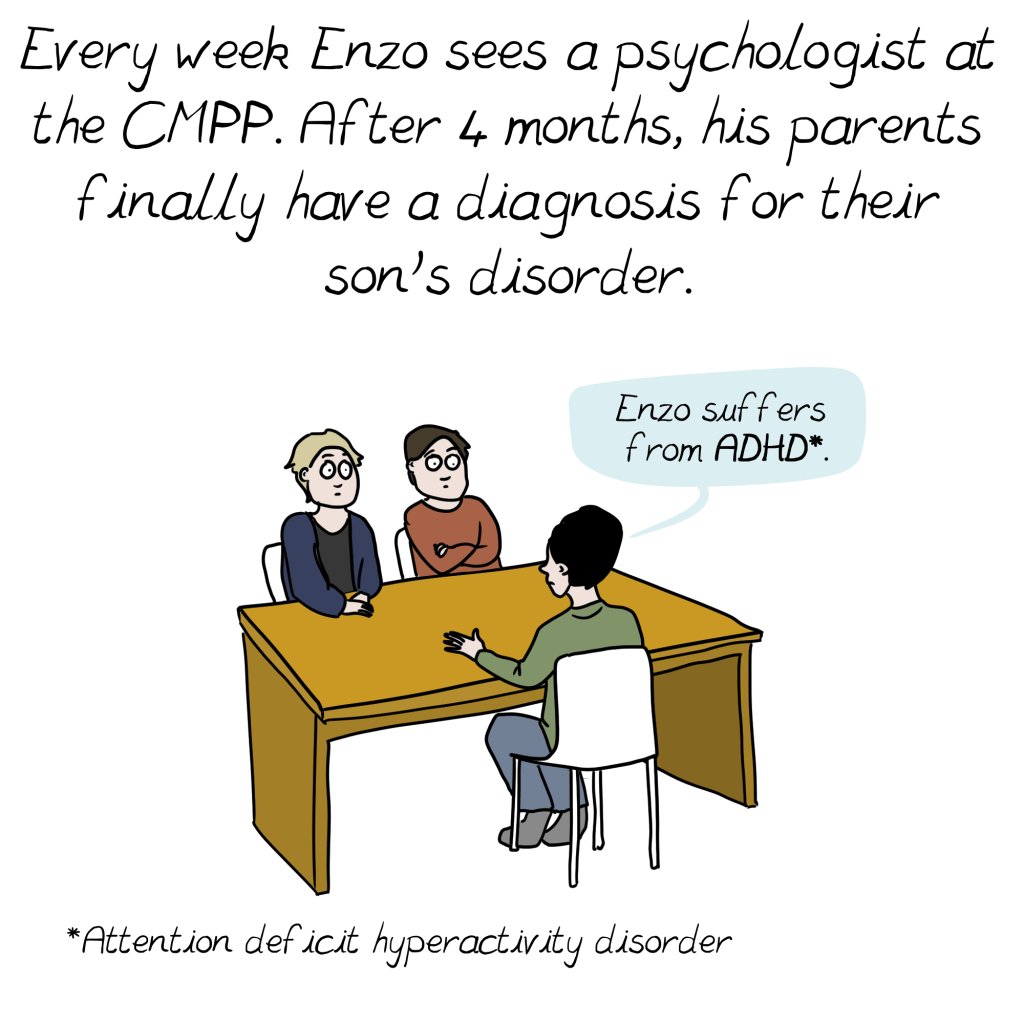
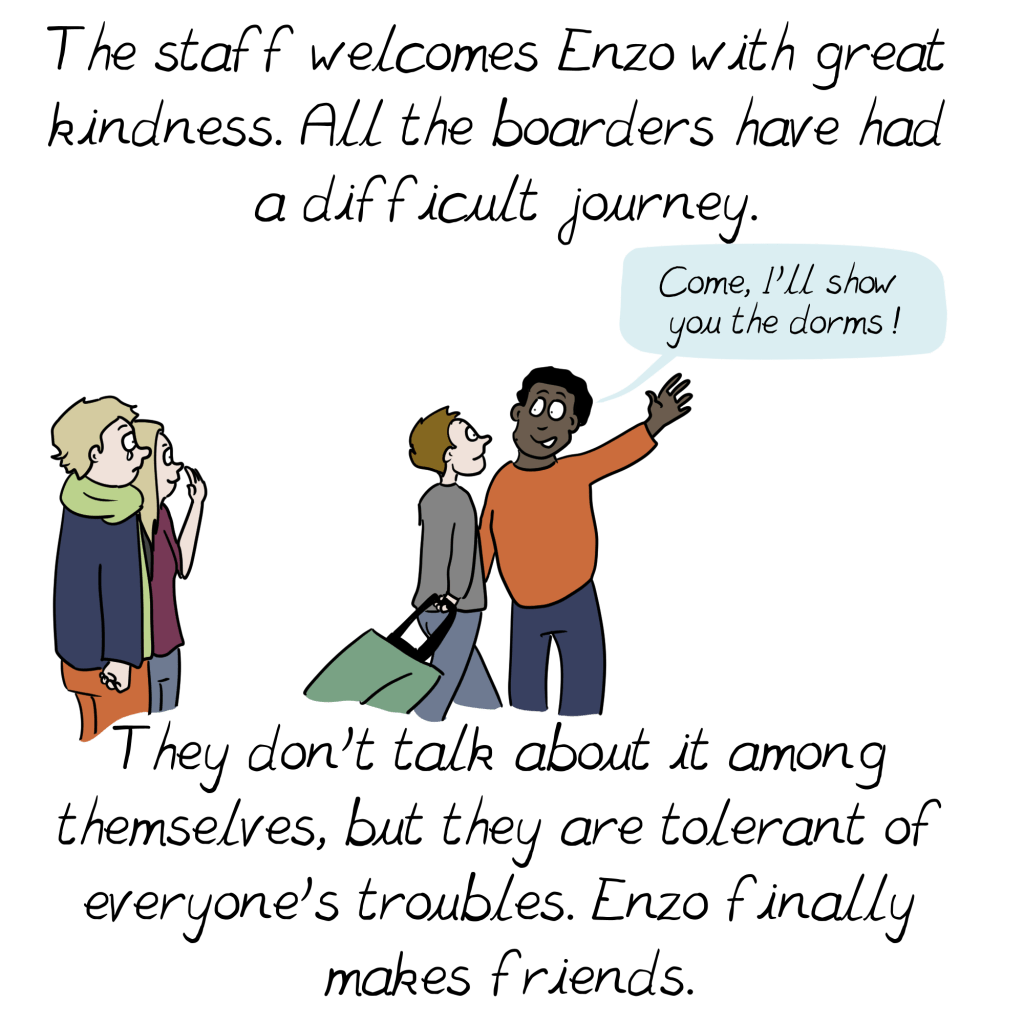
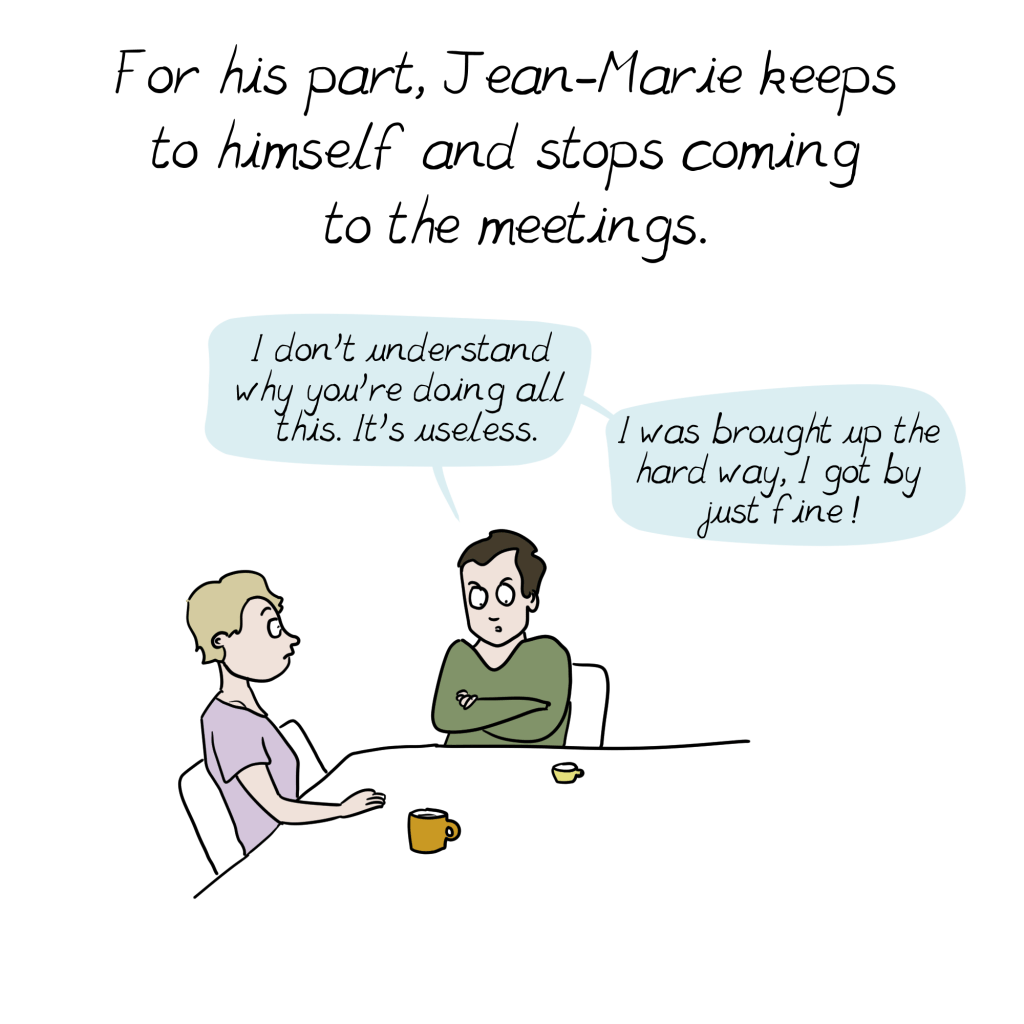
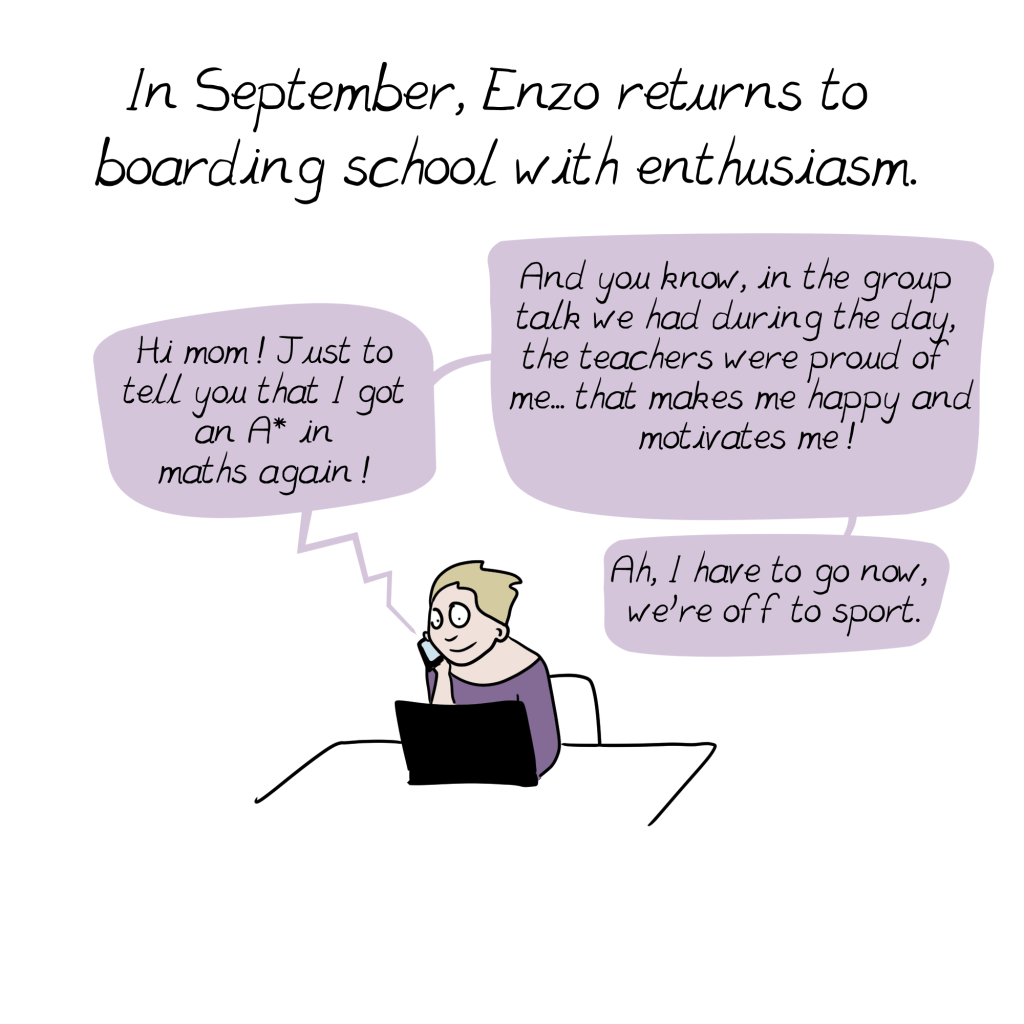
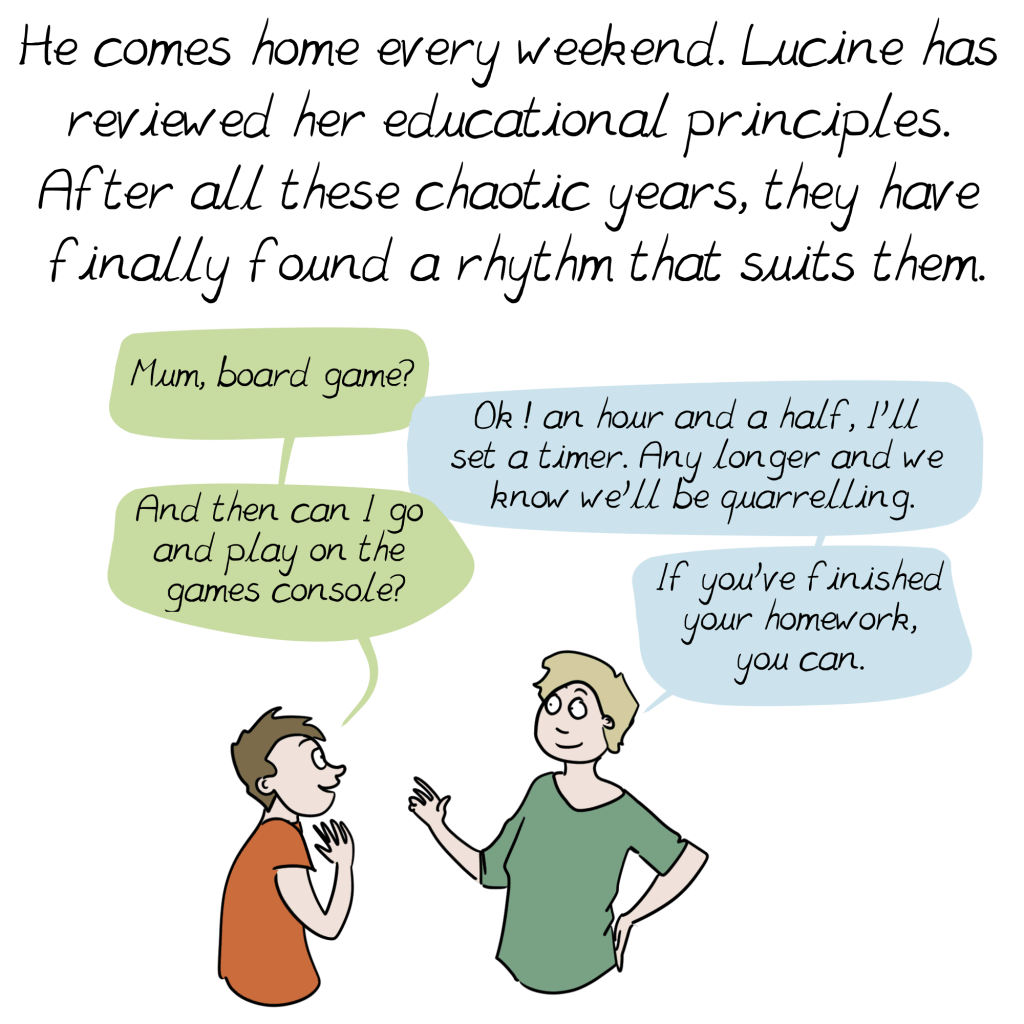
Enzo’s story is almost word for word mine, up until they got him help for his suicidal thoughts… if mine were ever verbalised, no one seemed to hear it. The only other difference is that I was a girl, and although all the same comments were made about me, I wasn’t ‘considered’ hyperactive or impulsive. Those were somehow overlooked, despite being pretty extreme and regularly provoking anger and disdain from people.
My story is sadder than his after that, though. My private school didn’t kick me out, they just gave up on me. They told me I’d never achieve my dream career, and limited my grades with lower tier exams because they expected me to fail (I didn’t). I kept signing up for more education afterwards, every time convinced that this time I’d ‘apply myself’ and reach that ‘potential’ they always banged on about, but I never did. I also kept either being fired from jobs or quitting before they’d get the chance. I eventually found a career I became passionate about, but after a decade of dedicating myself 100% to furthering it with extra qualifications and responsibilities, I turned 30 still earning close to minimum wage with no sign it’d ever improve, still feeling like a liability, and still always looking for the next new job.
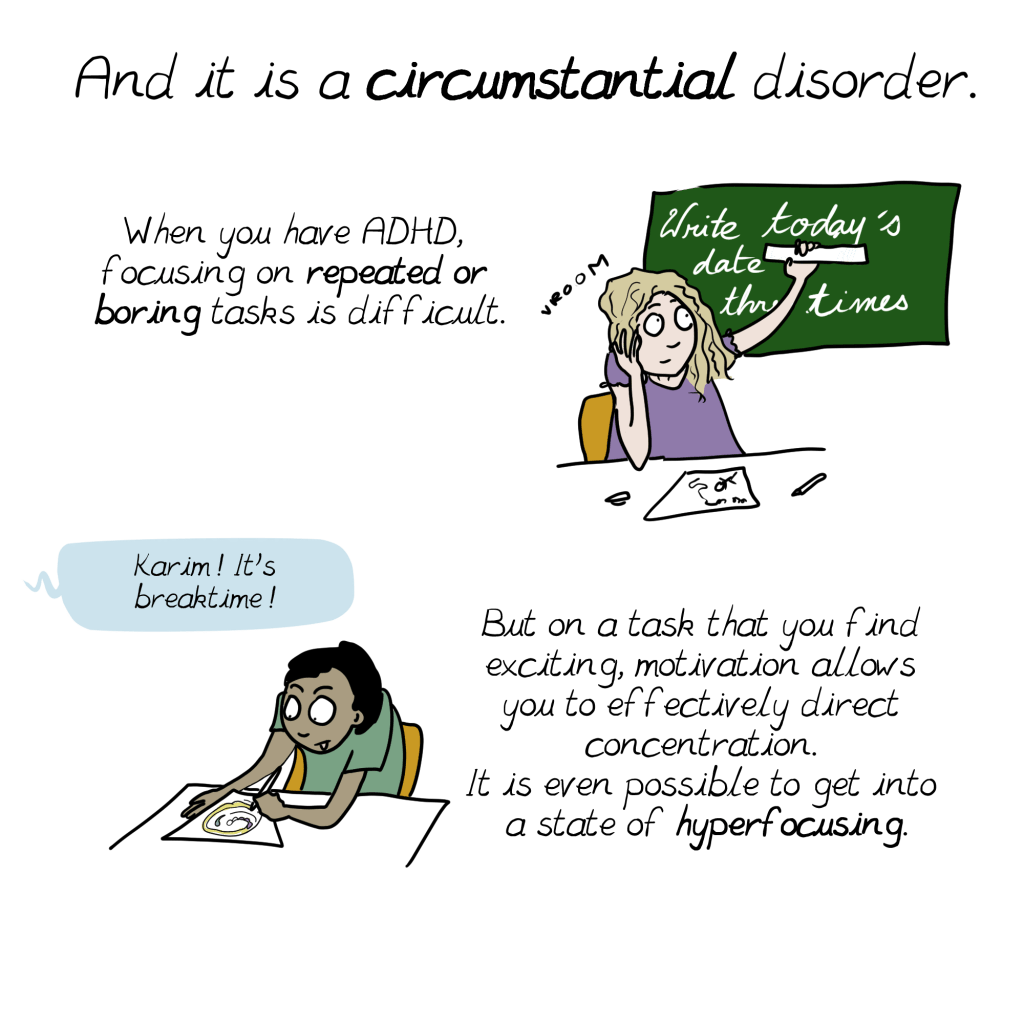
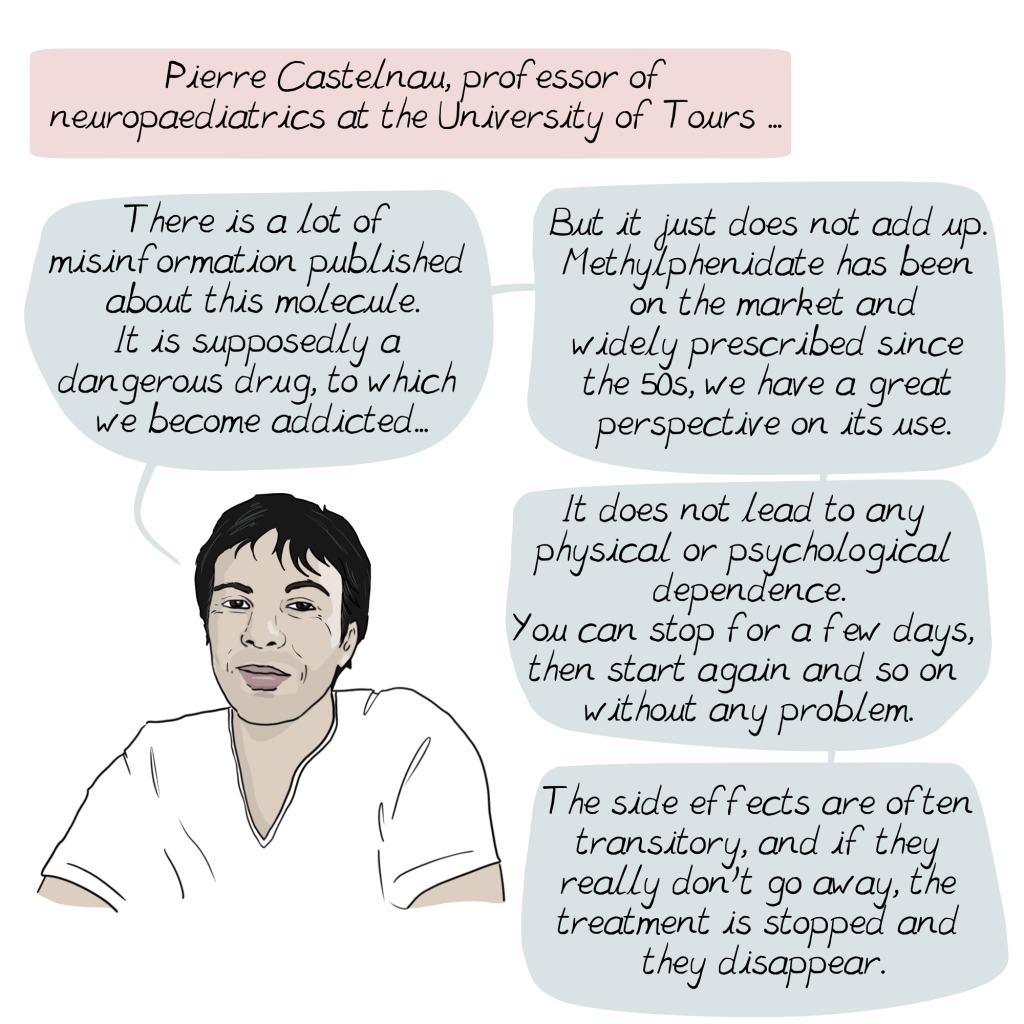
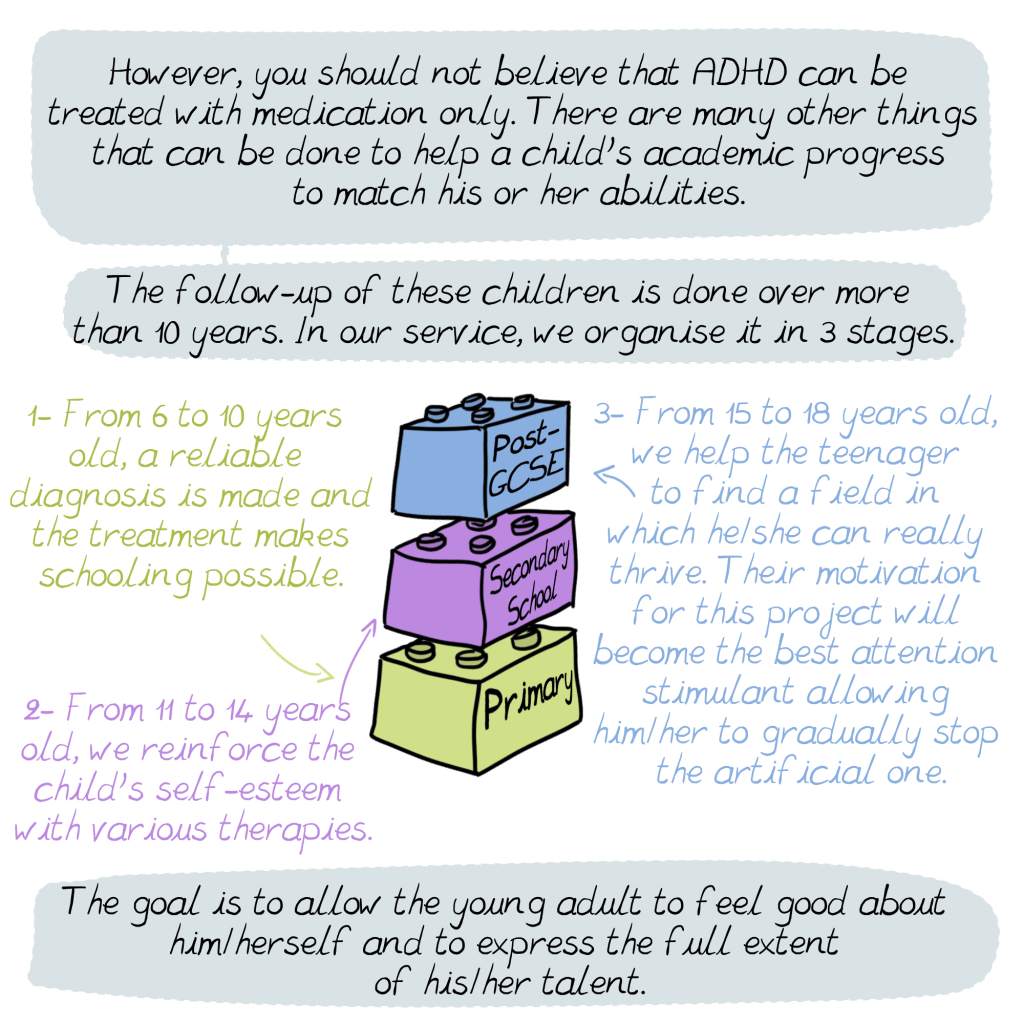
I got diagnosed and started treatment shortly after that, because I was at a crisis point and couldn’t cope anymore. I think the segment in this post about aiming to stop medication when the young person’s been guided toward something stimulating enough to ‘replace’ the need for meds is harmful and just plain wrong. I found my stimulating thing… it didn’t make my memory any better, or fix my ADHD. It enabled my employers to take advantage of my disability, but didn’t make it go away or make it have any less of a negative impact on my own life.
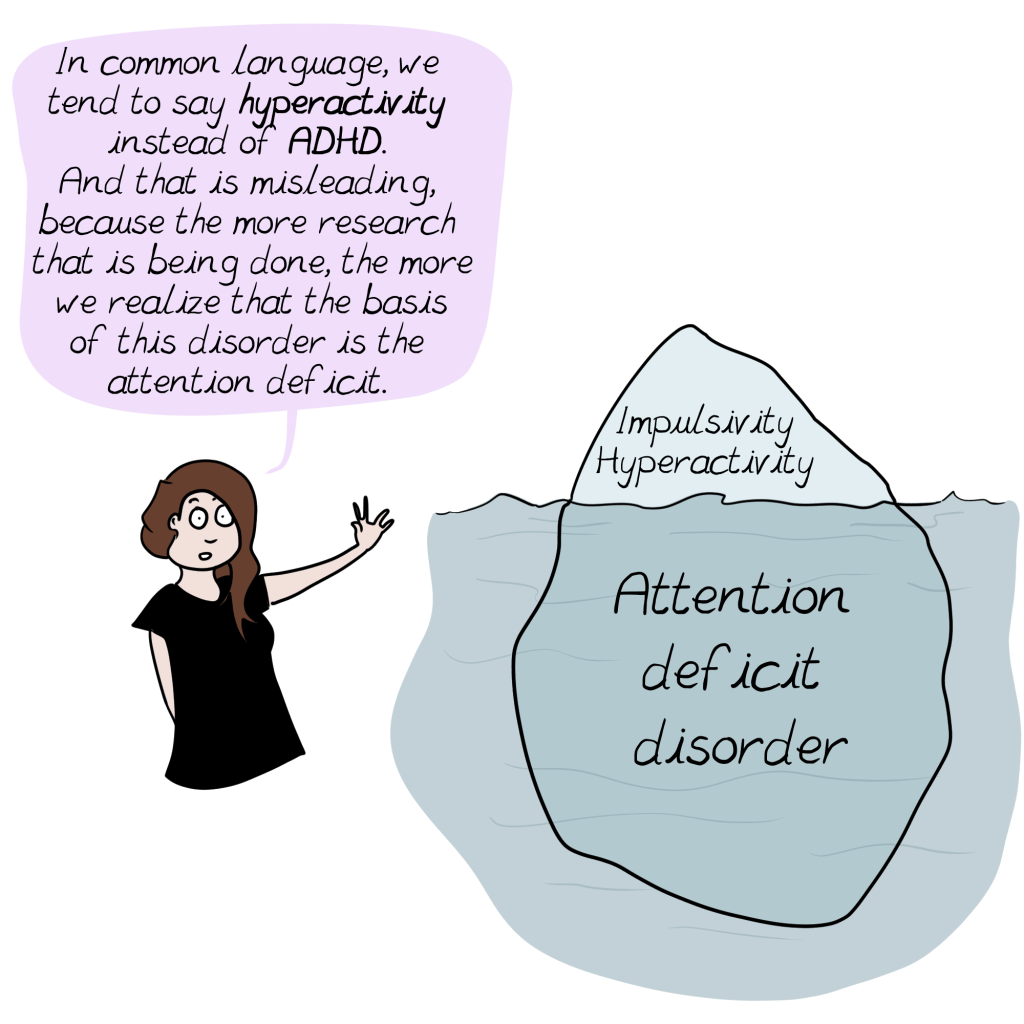
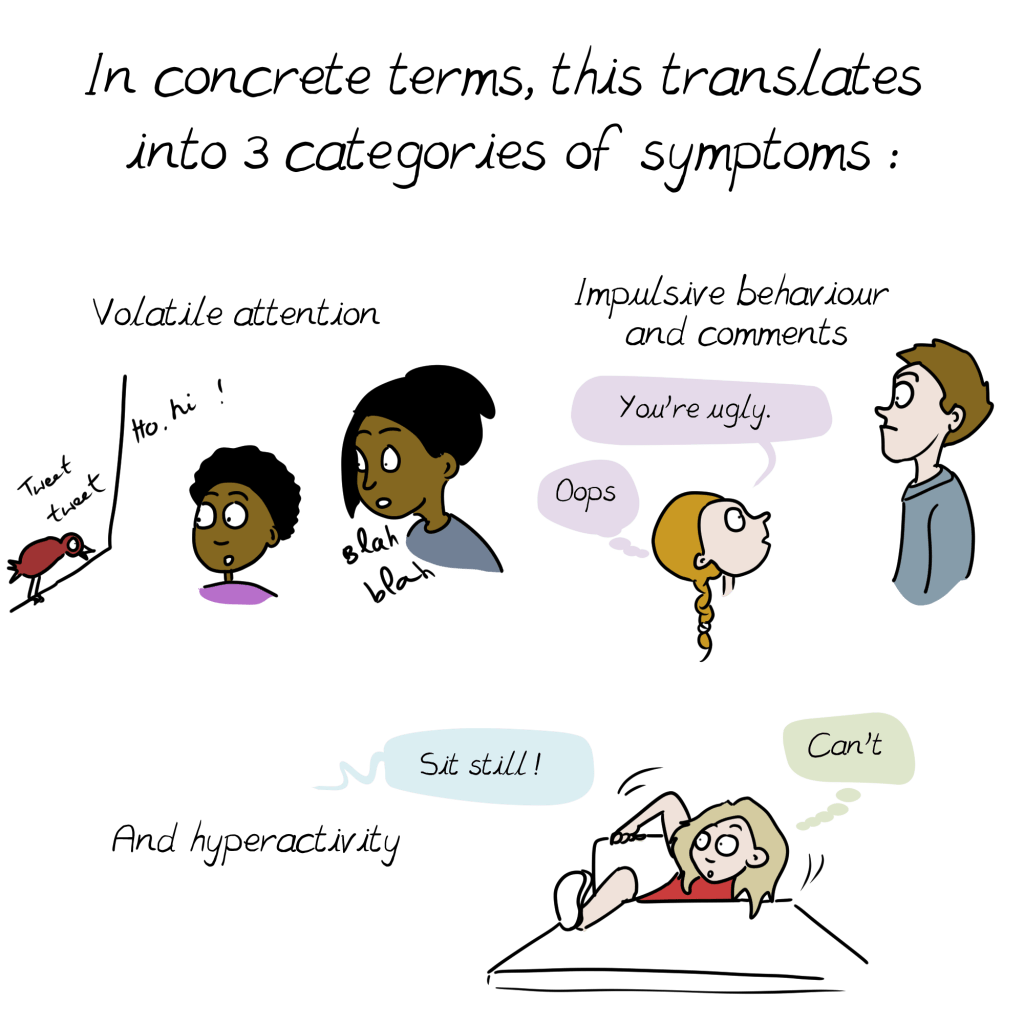
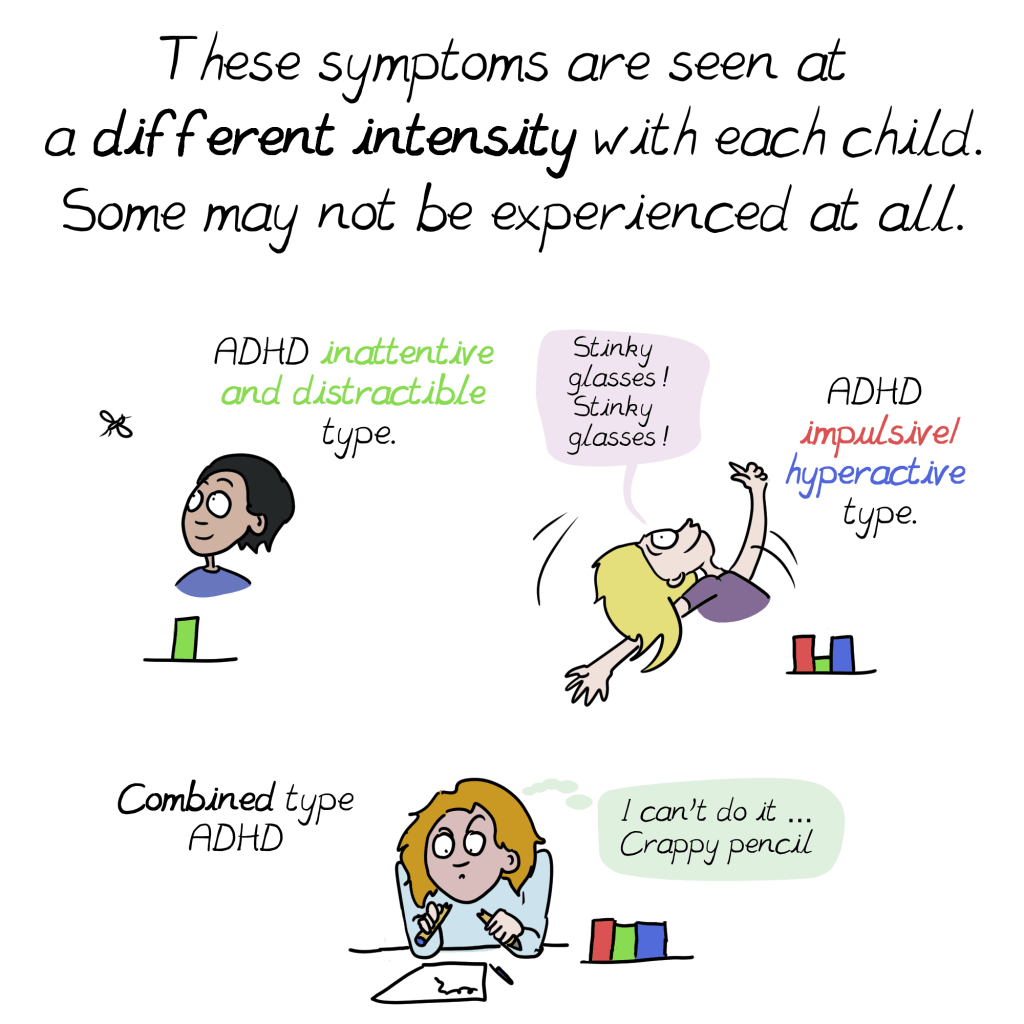
I thought this was largely a great post, but being as this is such a feminist blog I also expected it to point out that ADHD is as common in girls and women as it is in boys and men. It’s just not been studied in us and the symptoms are ignored even when they’re as obvious as mine were (talking over the teacher, trying to wander off and play in class, ‘answering back,’ running/jumping everywhere I went, literally bouncing off the walls for fun…). It’s also lifelong – the vast majority of us don’t grow out of it.















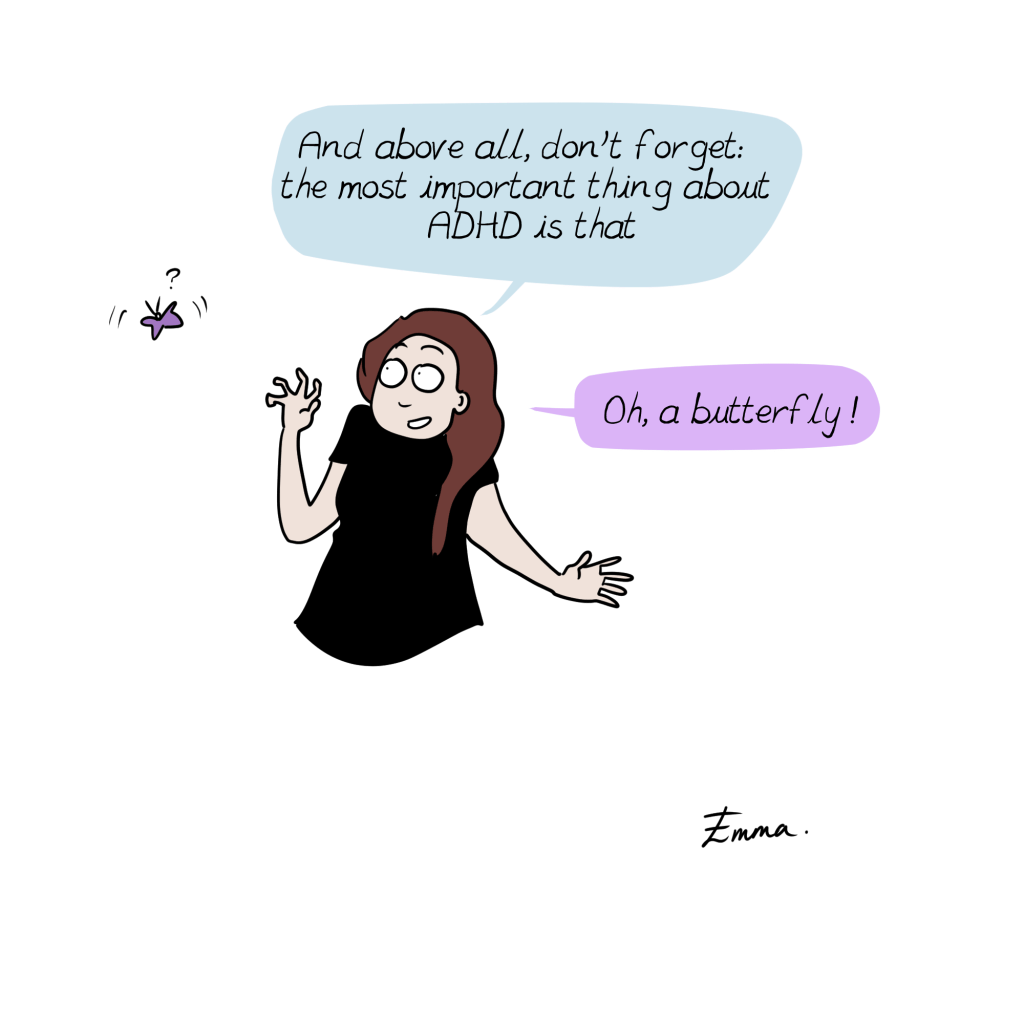
 Emma
Emma 
Italian? It is well thought out Thanks
>
LikeLike
Thanks for a very informative article.
LikeLike
I was diagnosed with ADHD as an adult but clearly had it all my life. I also am a mother of two children, one of whom has ADHD and a slew of other challenges that I think are related to it and stem from it (including anxiety and depression). This week has been especially challenging with symptomatic behavior and interacting with the “normal” world in that context. I read this and nearly started crying. A lot of the agencies and services are different in my country but the rest of it rings so many bells it’s deafening. Thank you for posting.
LikeLike
Sympathy, Iris. I was diagnosed with autism spectrum disorder as a young adult but through my working life, it’s become gradually clear to me that I have distracted-variant ADHD, possibly as well. (The two can interact and make the picture more confusing). I struggle with concentration and executive function and it’s taken years to work out why. I’ve been on a waiting list for assessment for all of 2021.
I’m pretty sure my son is also autistic, and my daughter… well, I think she has ADHD traits, but it’s hard to get anyone else to see it. I’m hoping that if I can get a diagnosis it’ll act as a lever to get my ideas about her taken more seriously.
As a parent I use my children as external accountability to get things done, but it is very hard and I often end up exhausted just from trying to railroad myself into doing tasks that would be ridiculously simple if I could just focus (without falling into hyperfocus and spending hours on them…) I can’t see a way onward without medical help.
LikeLike
I am about 99% sure that my father, uncle, me and some of my brothers all have ADHD
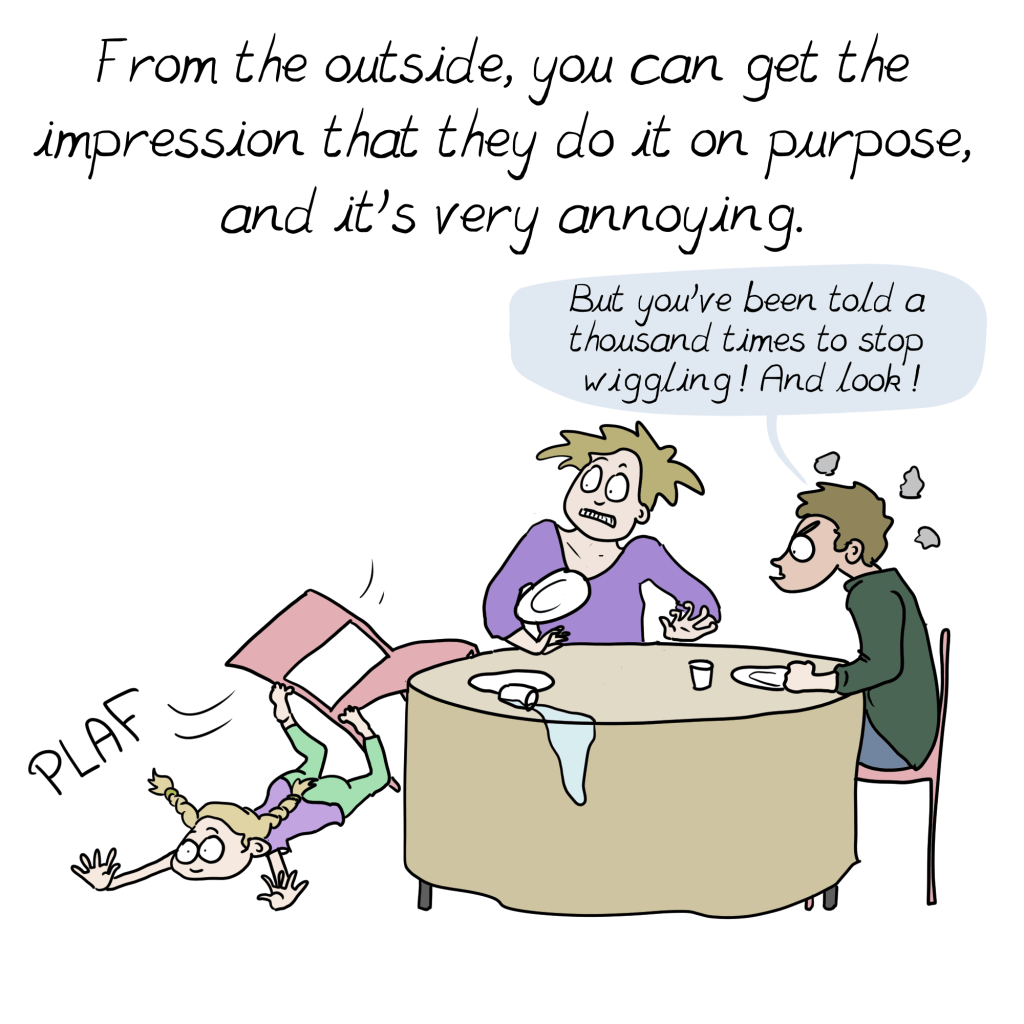
And we’re not diagnosed because father thinks it’s normal. Even when he is judged by other adults for fidgeting etc.
Even when I’m absolutely unable to finish basic tasks or take on the mental load, because I’ll just forget it. I’ve always been described as “too much”.
Even when my brother obviously can’t focus, needs special accommodations, is considered annoying by his peers and is very impulsive and emotional.
My stepmother is of no help in that regard, saying that he’s a “normal” (her) child. And I’m just weird.
My father said “ADHD doesn’t exist”.
The funniest thing is, I’m an adult by law and I could get a diagnosis. I will probably get a diagnosis one day.
But first I have to get my finances in order and stop to impulse buy things. But first I have to remember to make an appointment after I got the money for it.
But first I have to convince a doctor to test me.
But first I have to do a lot of things
…which would be much easier and maybe we’re done if I was medicated or coped better.
…which reminds me I was supposed to find tips on how to manage ADHD
LikeLike
I’ve found the YouTube channel ‘How to ADHD’ very helpful.
I was diagnosed last year as a new mom who couldn’t get a feeding schedule right for my newborn. They considered taking my daughter away but I’m happy they decided to see why my executive functioning wasn’t that good instead.
All the best, you’ve got this.
LikeLike
Thank you so much for this comment – as someone with ADHD who didn’t get diagnosed until 14, it’s spot on. When you’re told your whole life that you’re lazy, stupid, annoying, etc for things you can’t control, you really do start to believe it. It’s been a little over two years since I was diagnosed and I still have to remind myself that I’m not just being “lazy”, I have an actual disability. It’s really interesting and helpful to see the parent’s perspective on it.
LikeLike
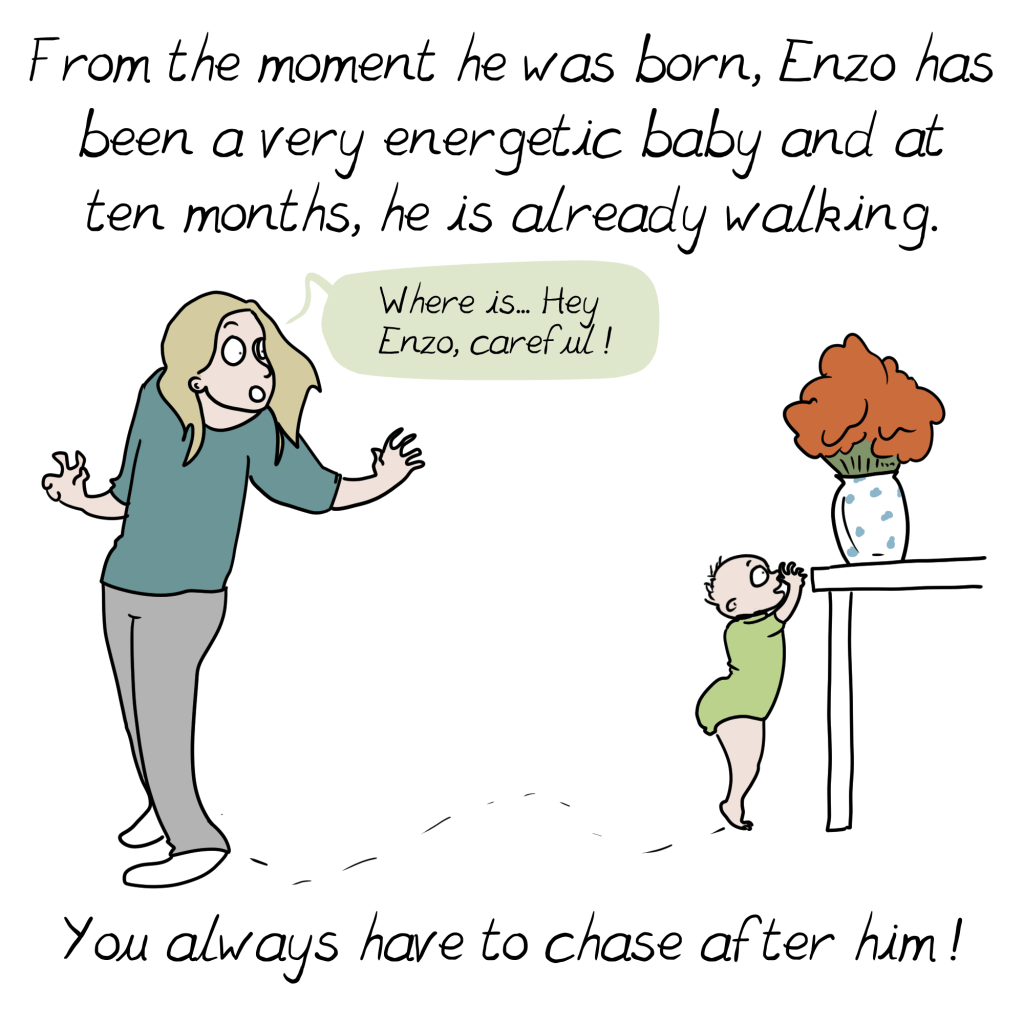
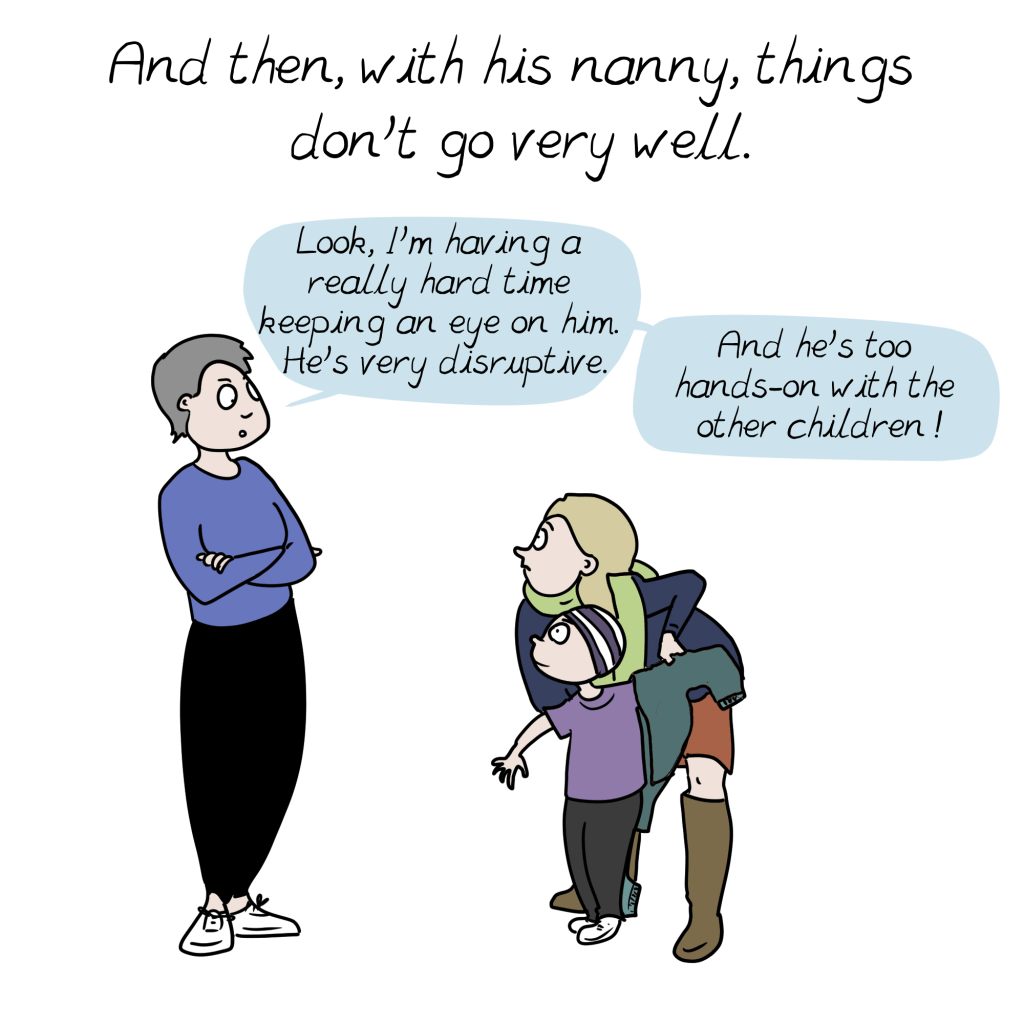
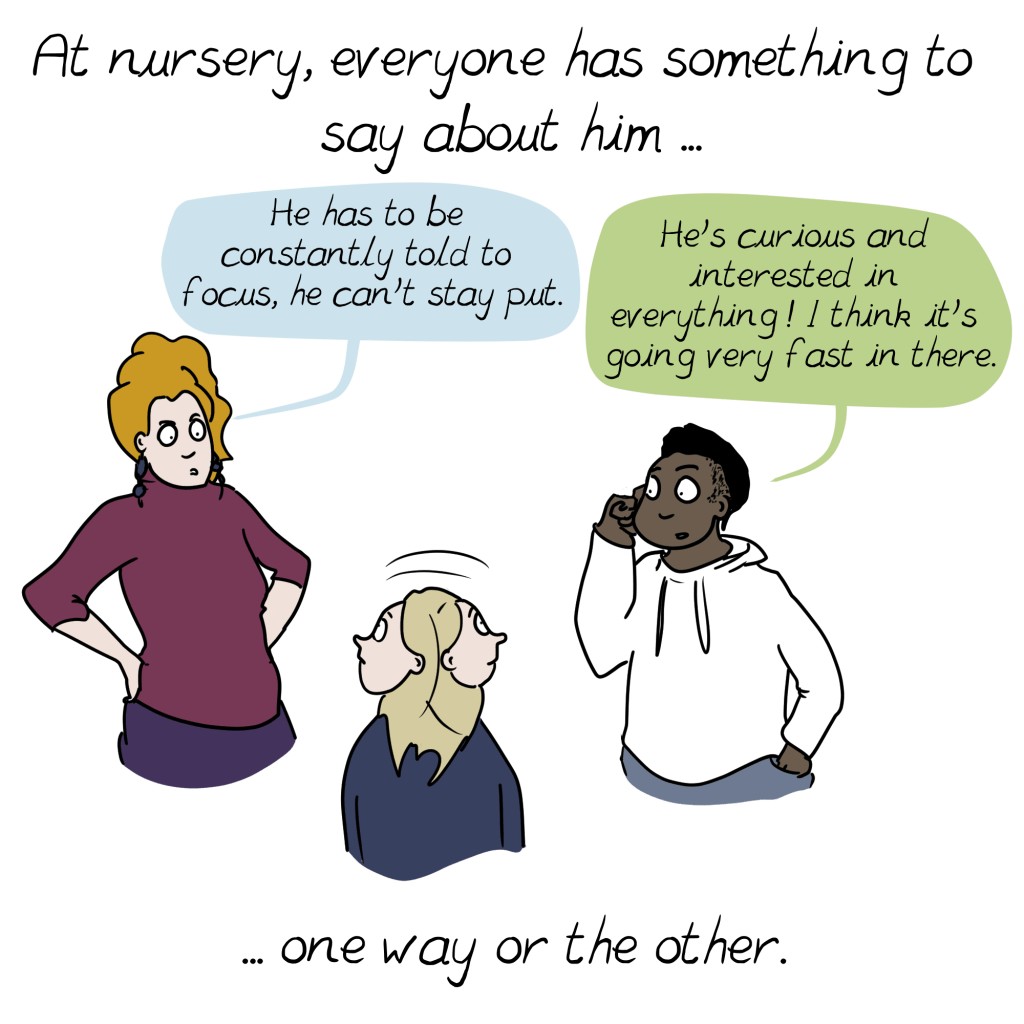
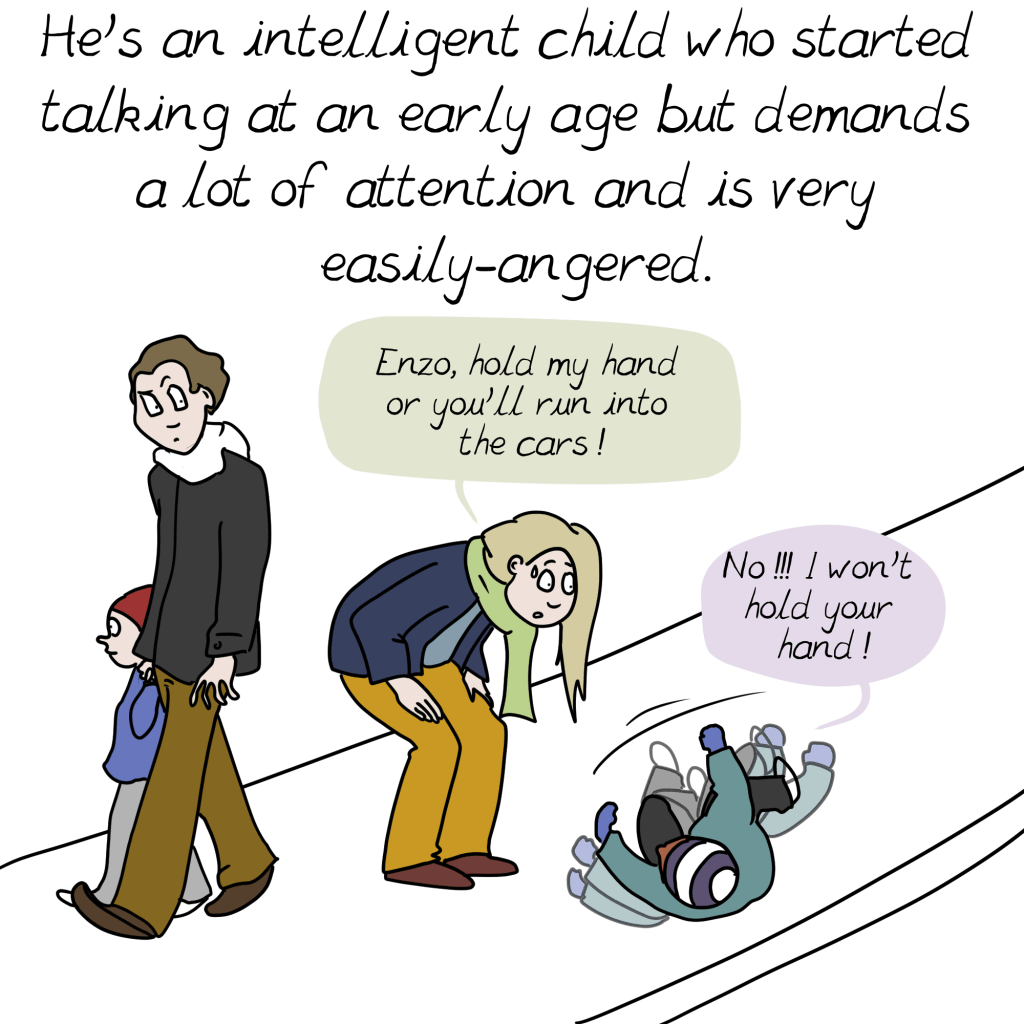
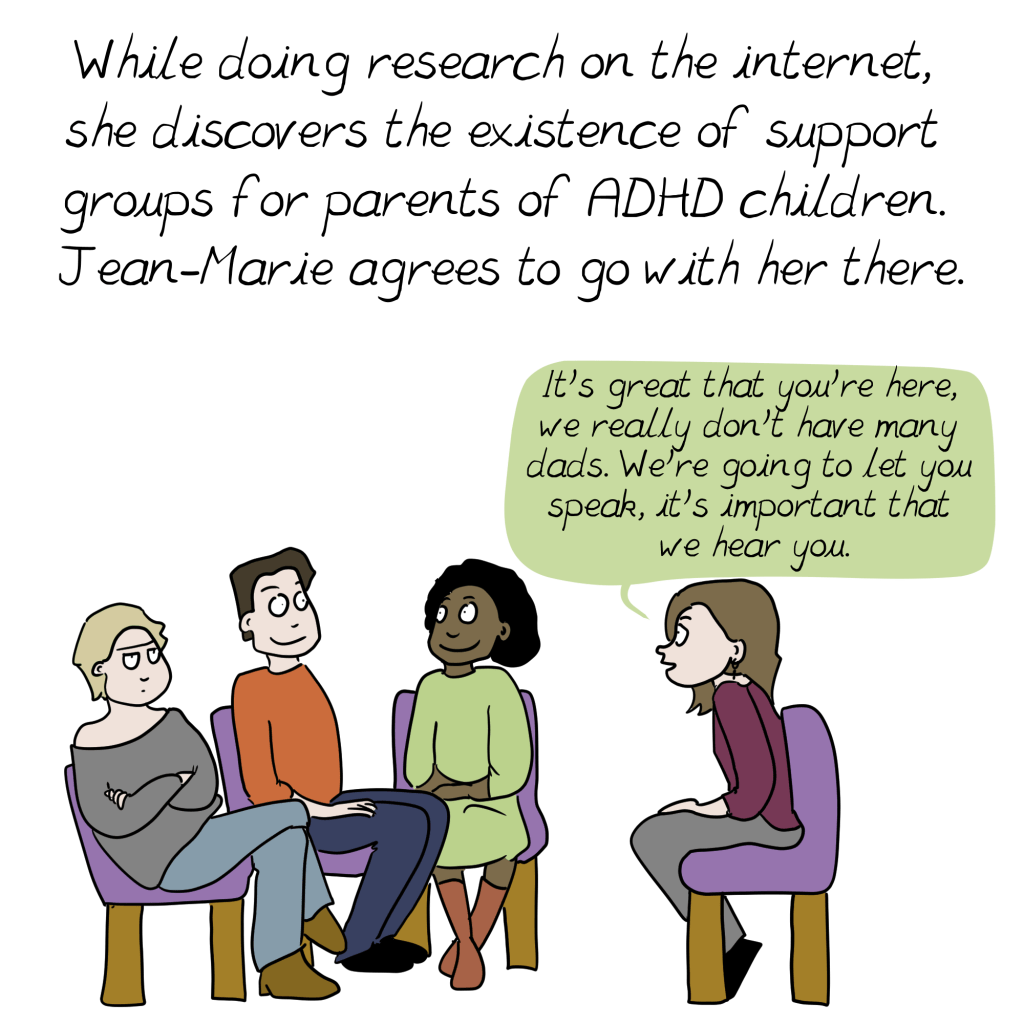
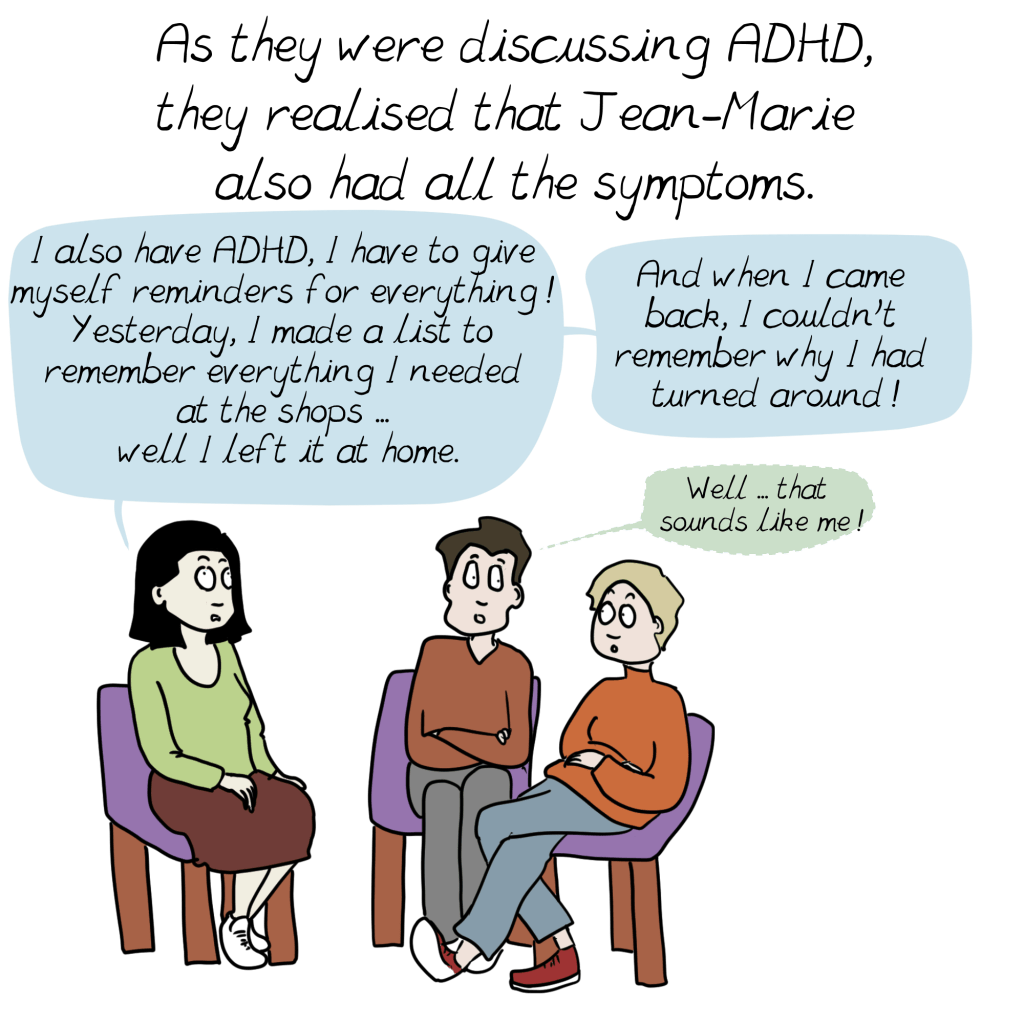
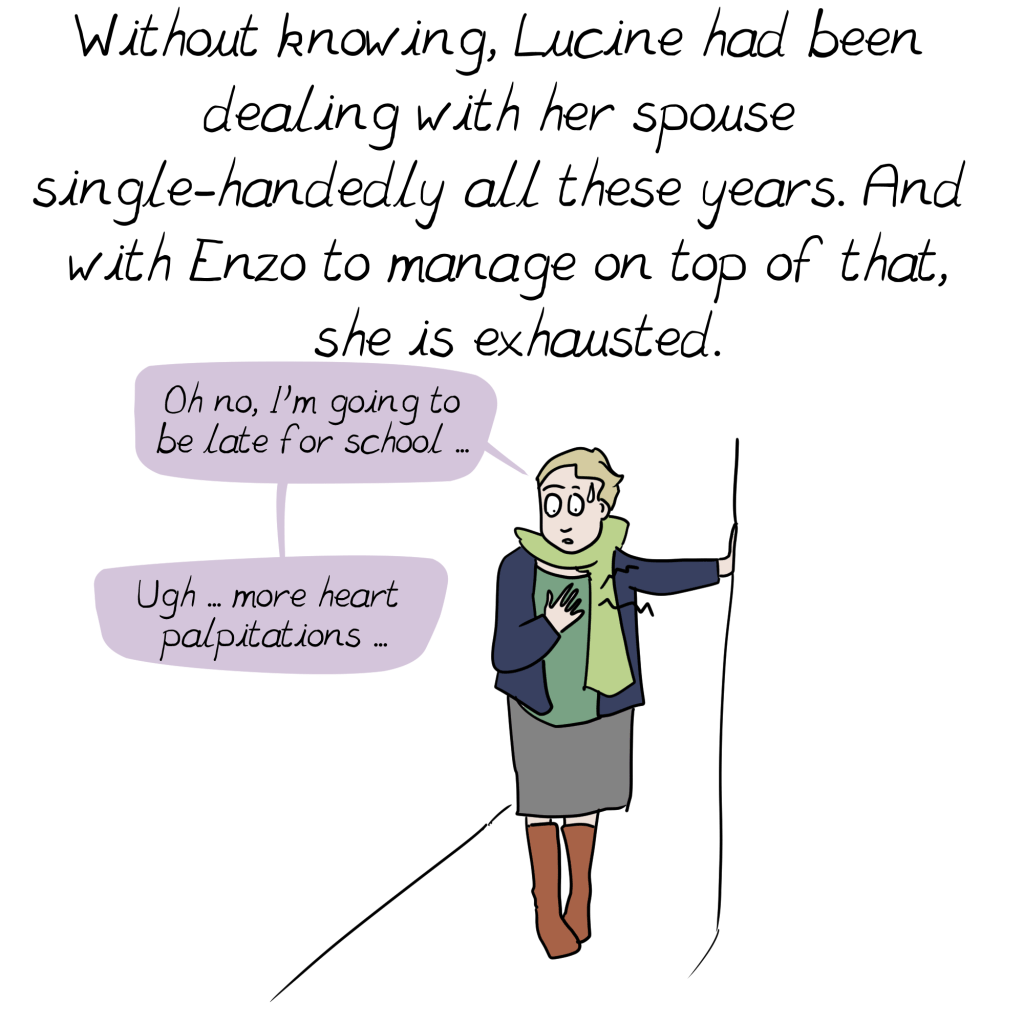
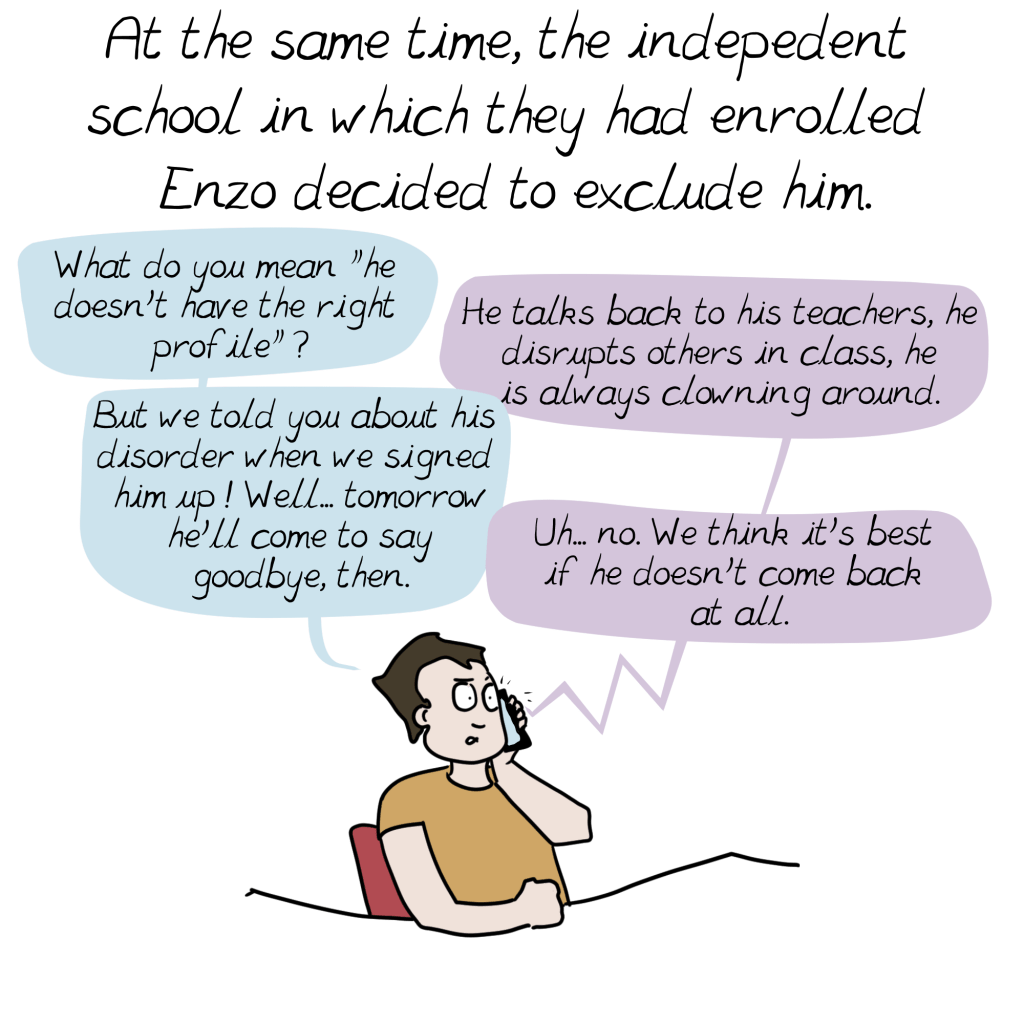
Enzo’s story is almost word for word mine, up until they got him help for his suicidal thoughts… if mine were ever verbalised, no one seemed to hear it. The only other difference is that I was a girl, and although all the same comments were made about me, I wasn’t ‘considered’ hyperactive or impulsive. Those were somehow overlooked, despite being pretty extreme and regularly provoking anger and disdain from people.
My story is sadder than his after that, though. My private school didn’t kick me out, they just gave up on me. They told me I’d never achieve my dream career, and limited my grades with lower tier exams because they expected me to fail (I didn’t). I kept signing up for more education afterwards, every time convinced that this time I’d ‘apply myself’ and reach that ‘potential’ they always banged on about, but I never did. I also kept either being fired from jobs or quitting before they’d get the chance. I eventually found a career I became passionate about, but after a decade of dedicating myself 100% to furthering it with extra qualifications and responsibilities, I turned 30 still earning close to minimum wage with no sign it’d ever improve, still feeling like a liability, and still always looking for the next new job.
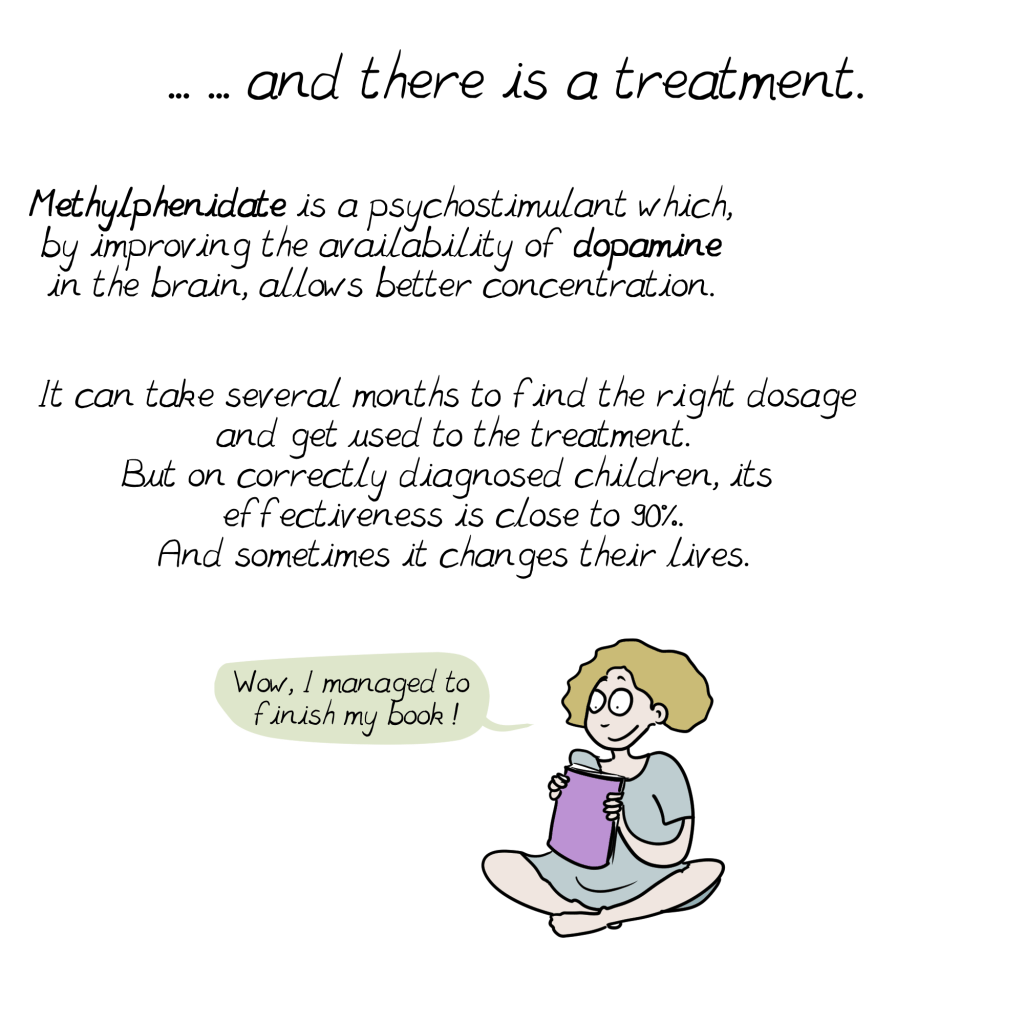
I got diagnosed and started treatment shortly after that, because I was at a crisis point and couldn’t cope anymore. I think the segment in this post about aiming to stop medication when the young person’s been guided toward something stimulating enough to ‘replace’ the need for meds is harmful and just plain wrong. I found my stimulating thing… it didn’t make my memory any better, or fix my ADHD. It enabled my employers to take advantage of my disability, but didn’t make it go away or make it have any less of a negative impact on my own life.
I thought this was largely a great post, but being as this is such a feminist blog I also expected it to point out that ADHD is as common in girls and women as it is in boys and men. It’s just not been studied in us and the symptoms are ignored even when they’re as obvious as mine were (talking over the teacher, trying to wander off and play in class, ‘answering back,’ running/jumping everywhere I went, literally bouncing off the walls for fun…). It’s also lifelong – the vast majority of us don’t grow out of it.
LikeLike
I was confused by this part, “They told me my child was a ‘band-aid child’, that she had to spend less time with her father.”
What is a “band-aid child”?
Why on earth would spending less time with her father help?
Can anyone shed any light?
LikeLike